Inexhaustible Editions © 2015-2026
Introduction
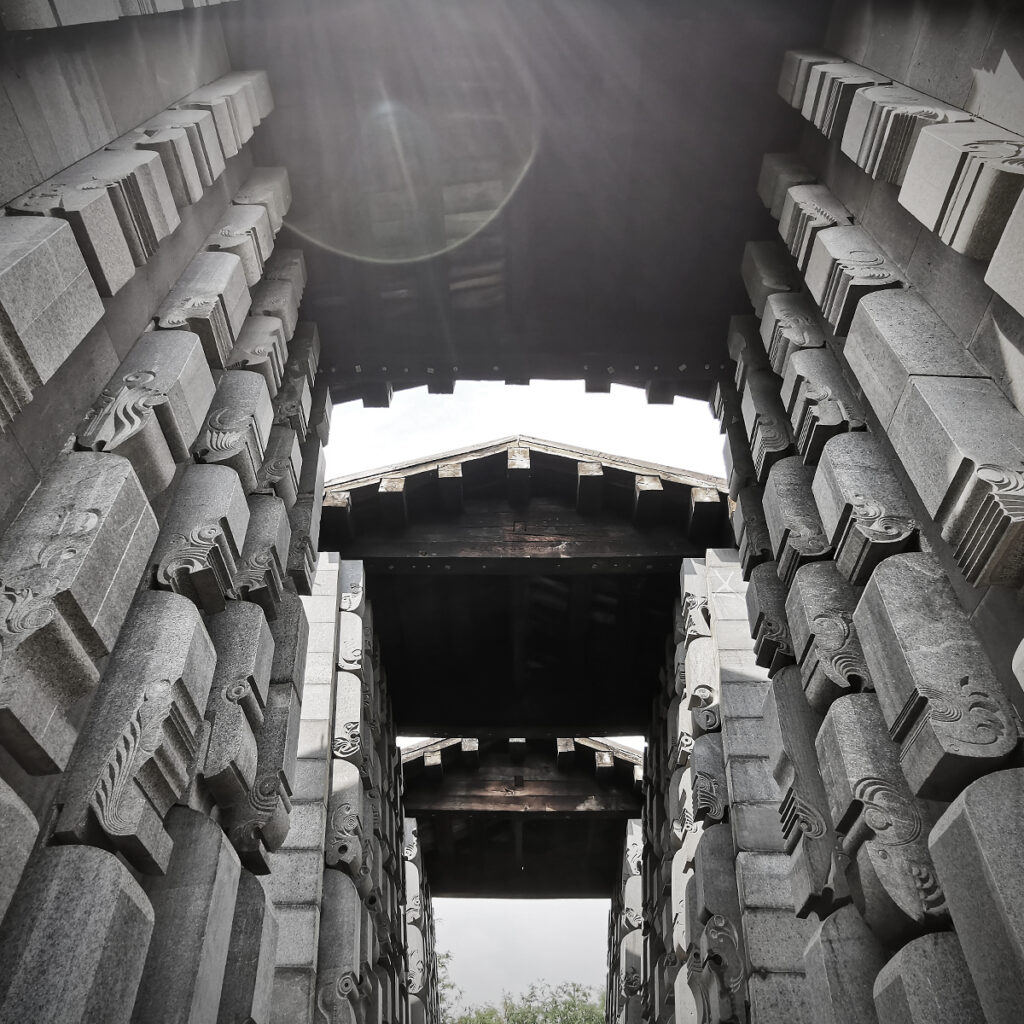
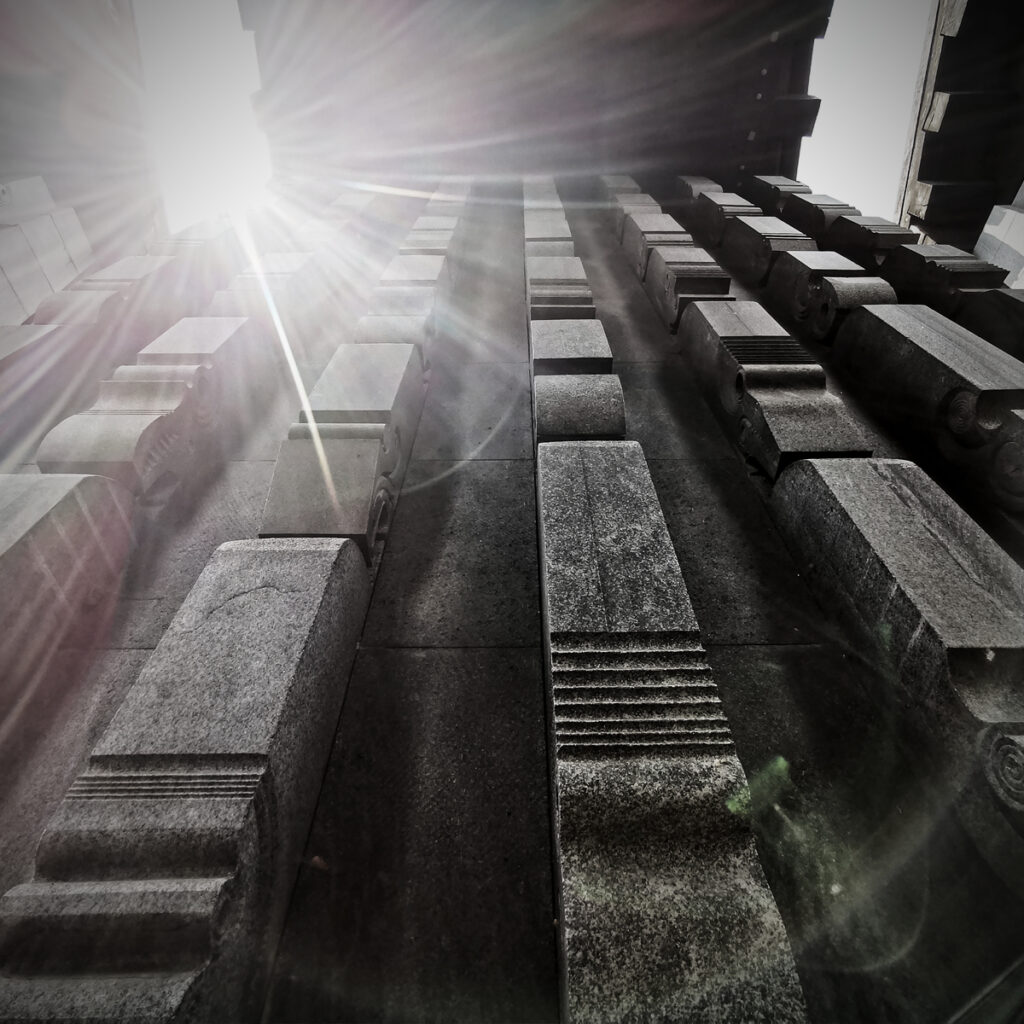
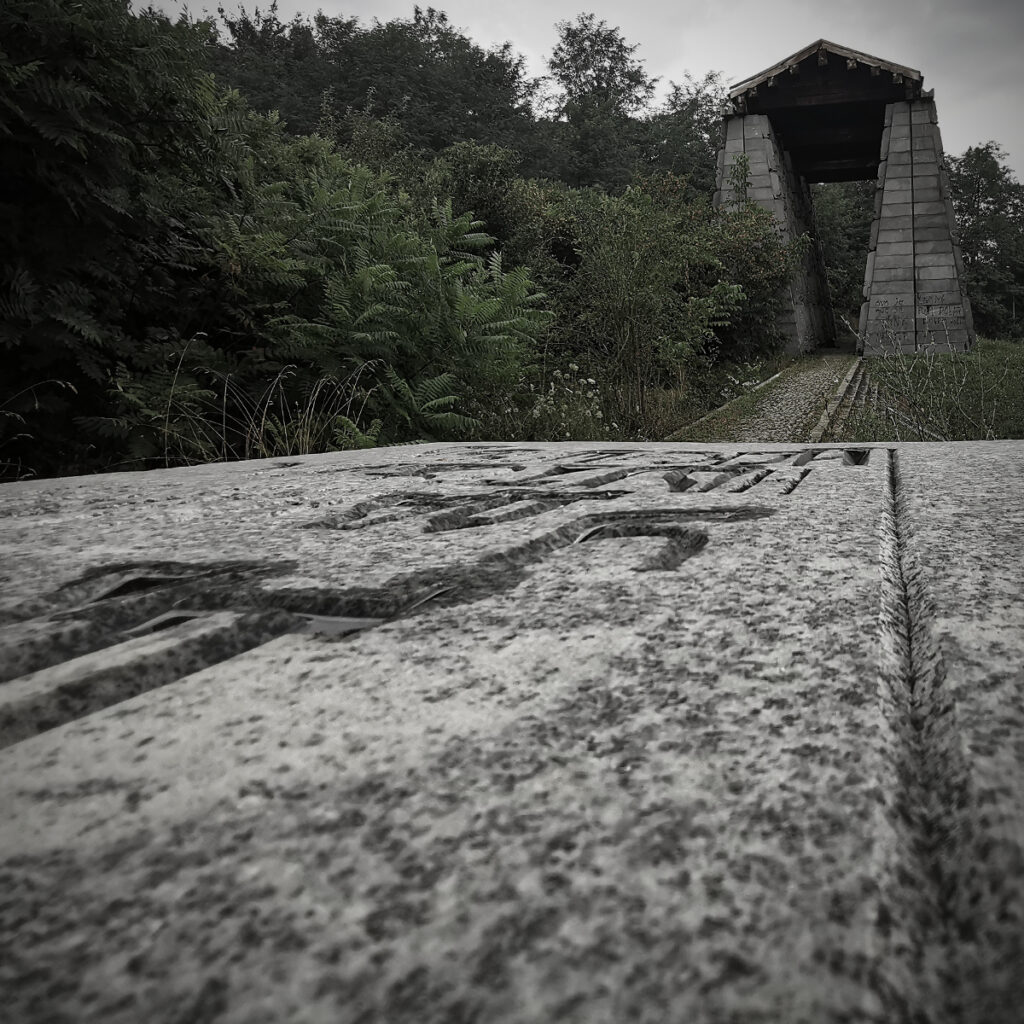
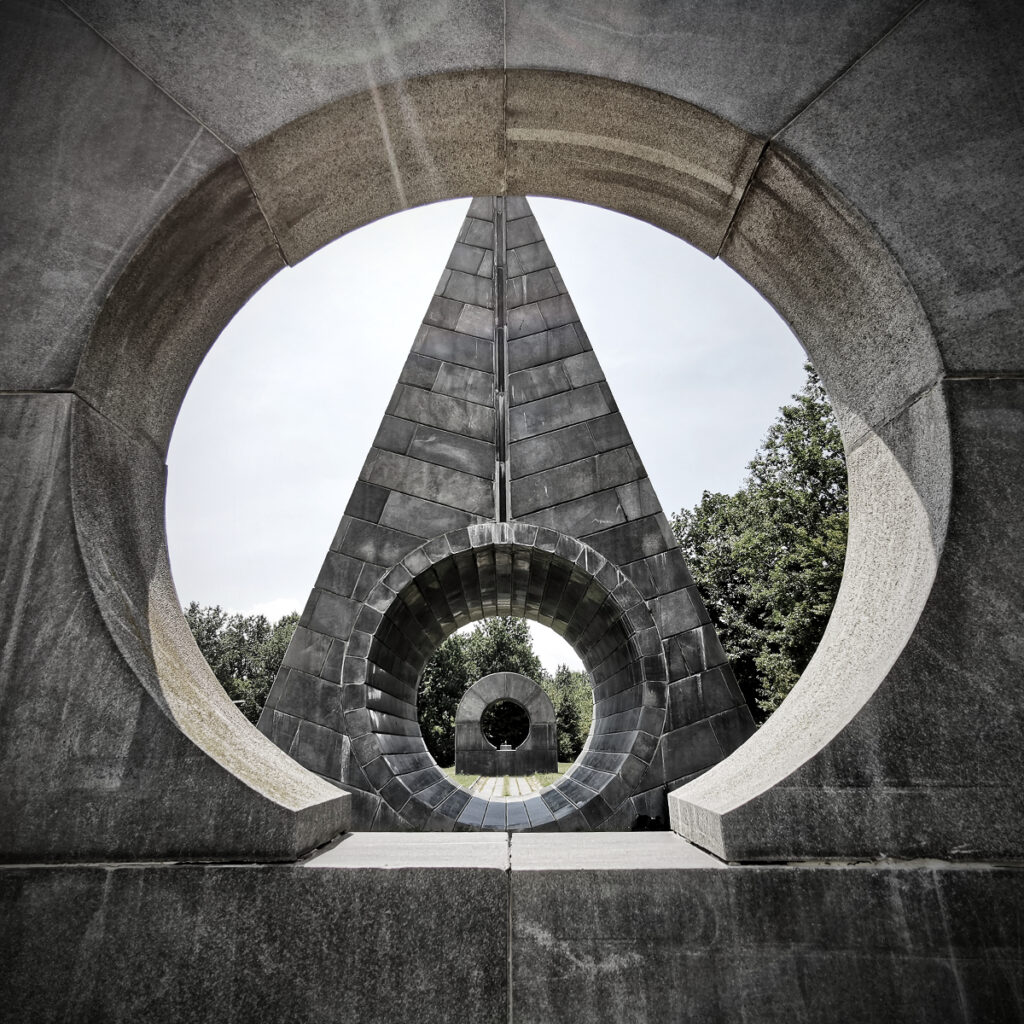
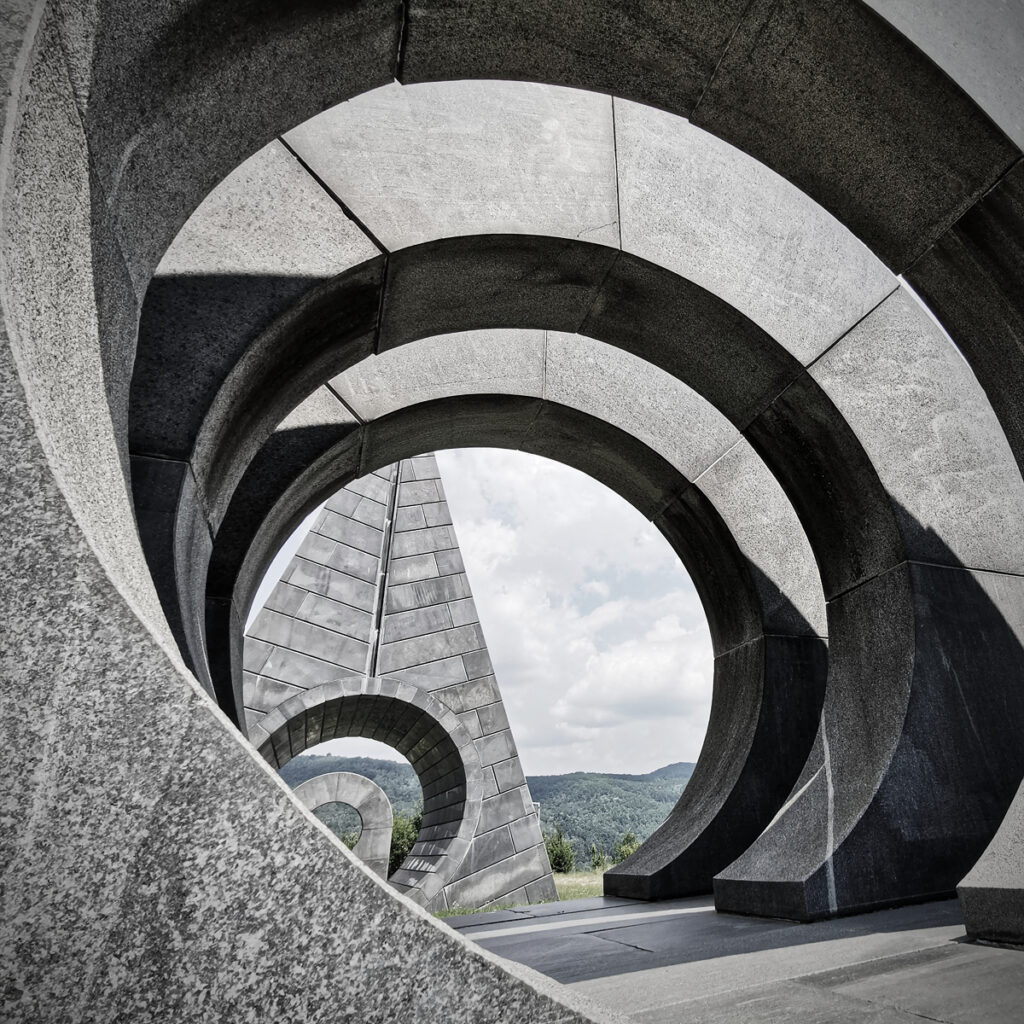
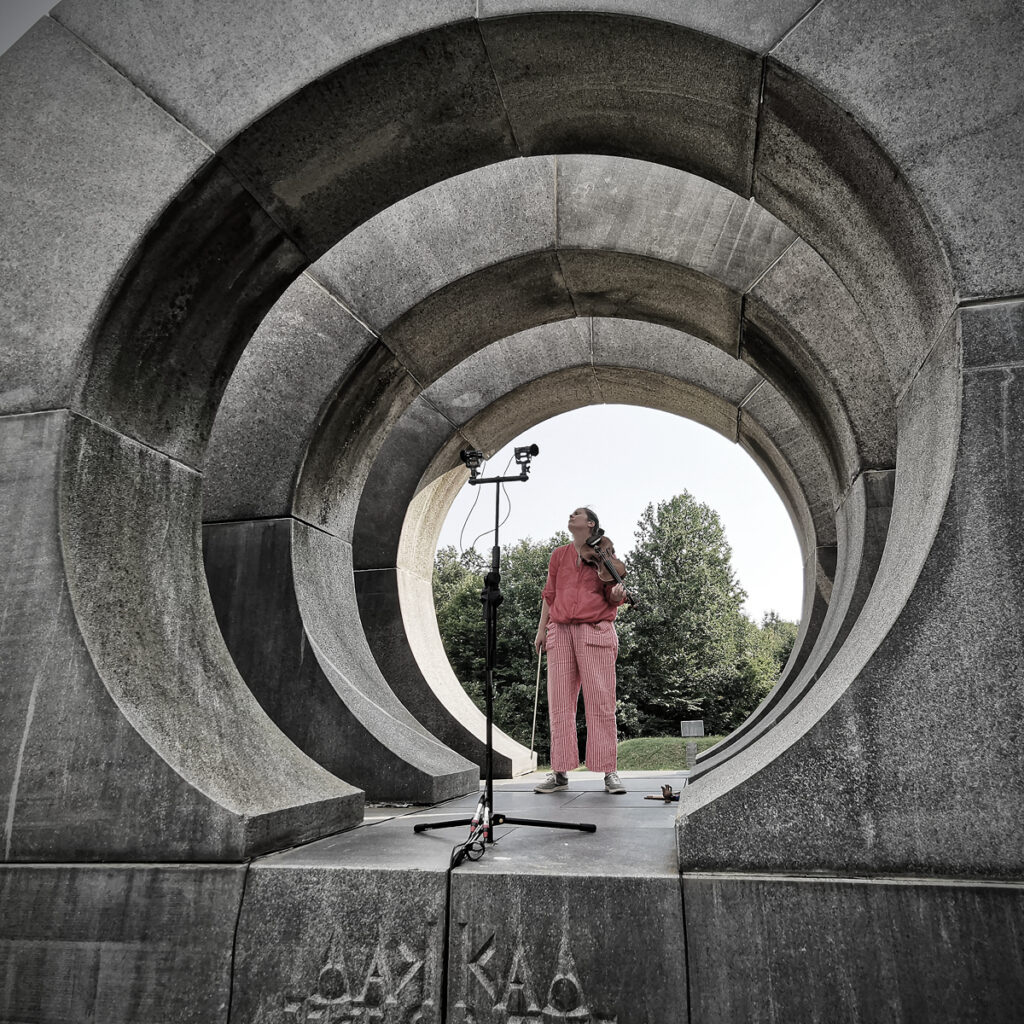
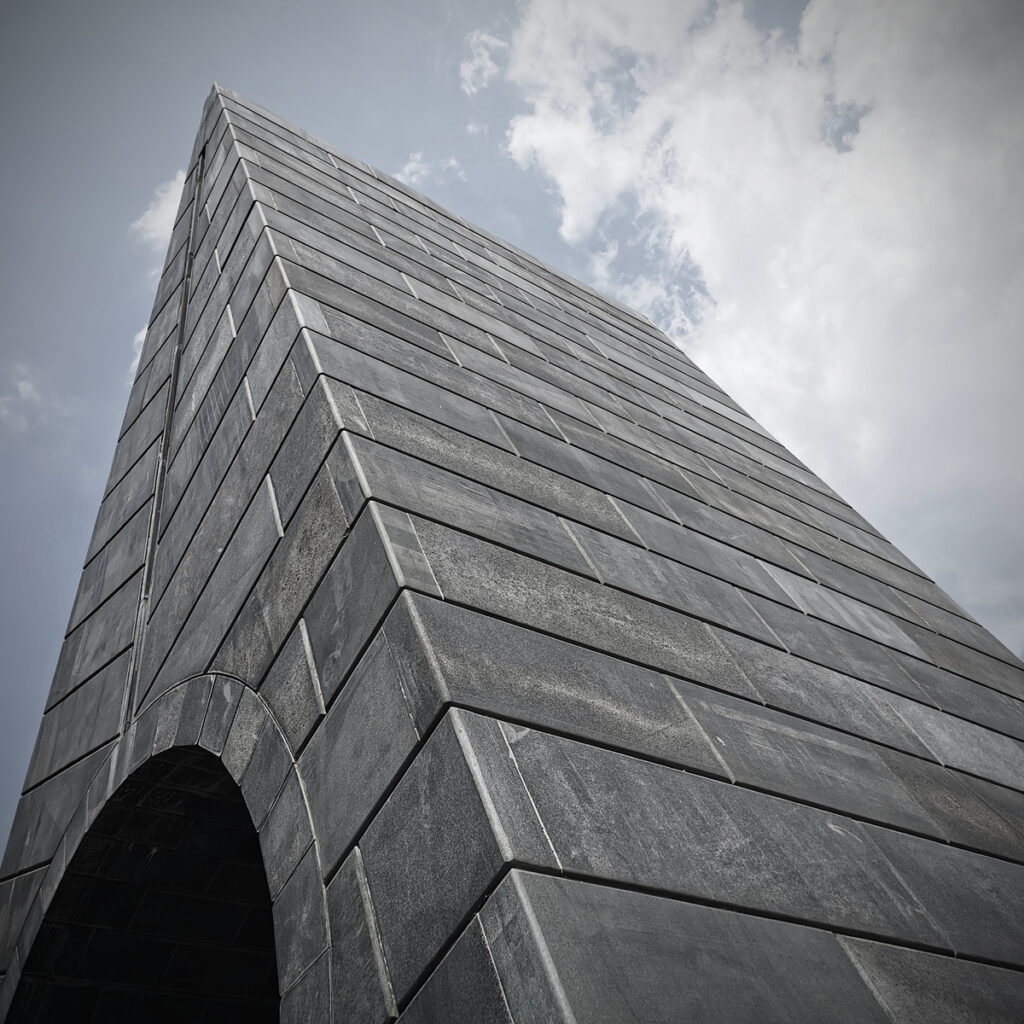
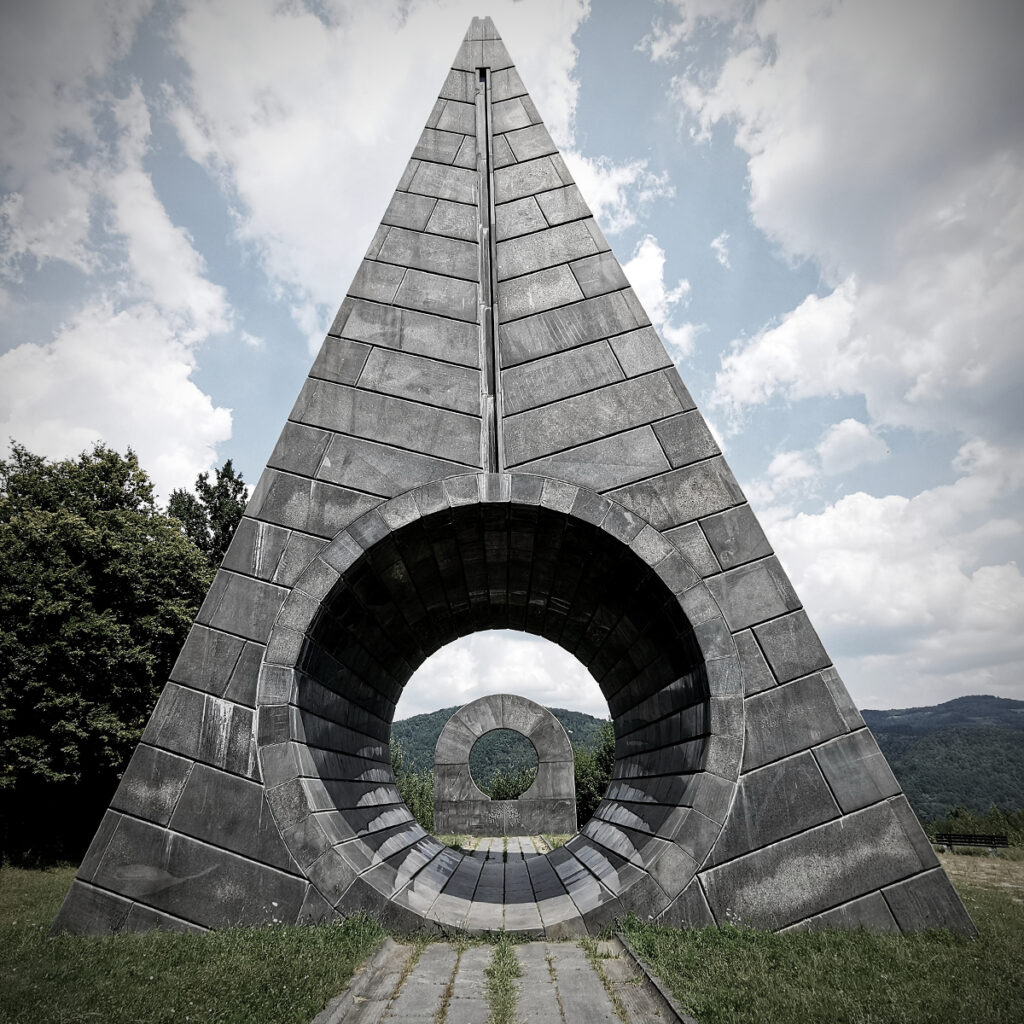
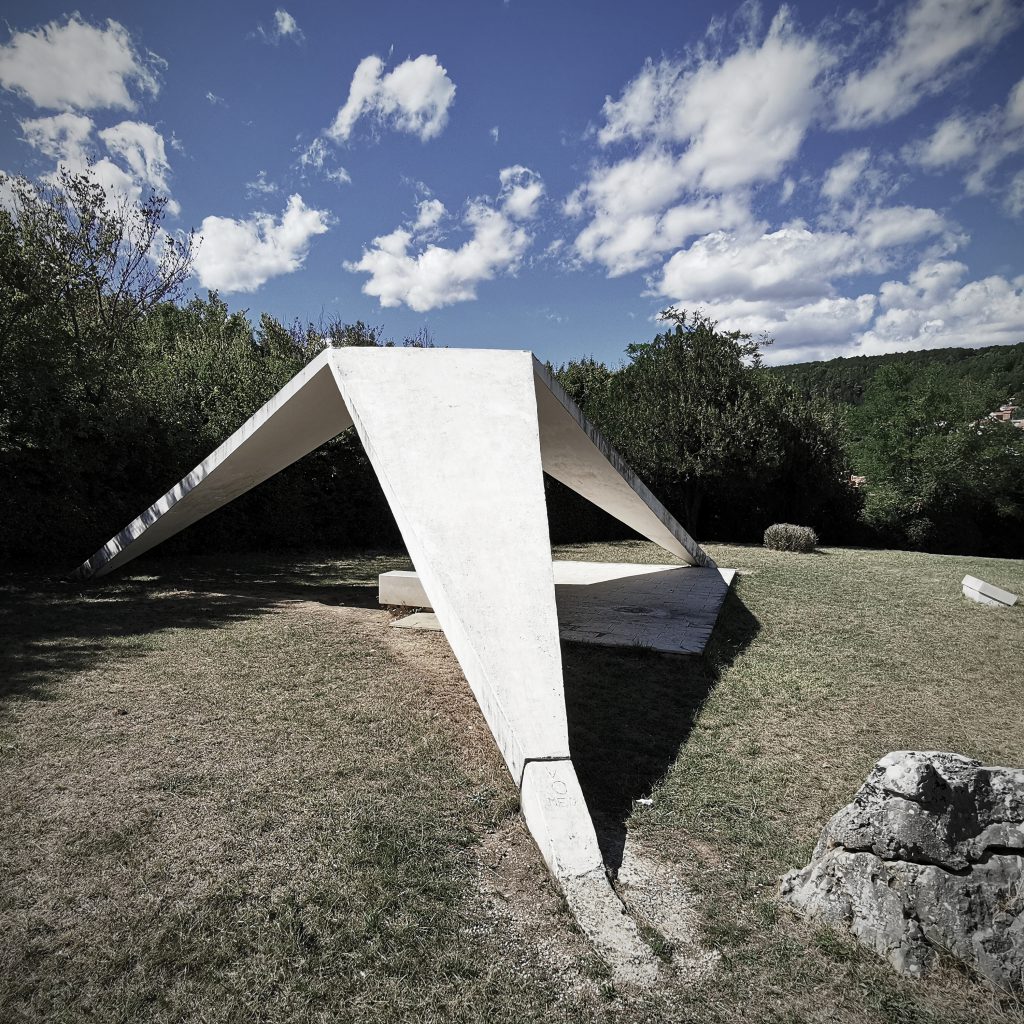
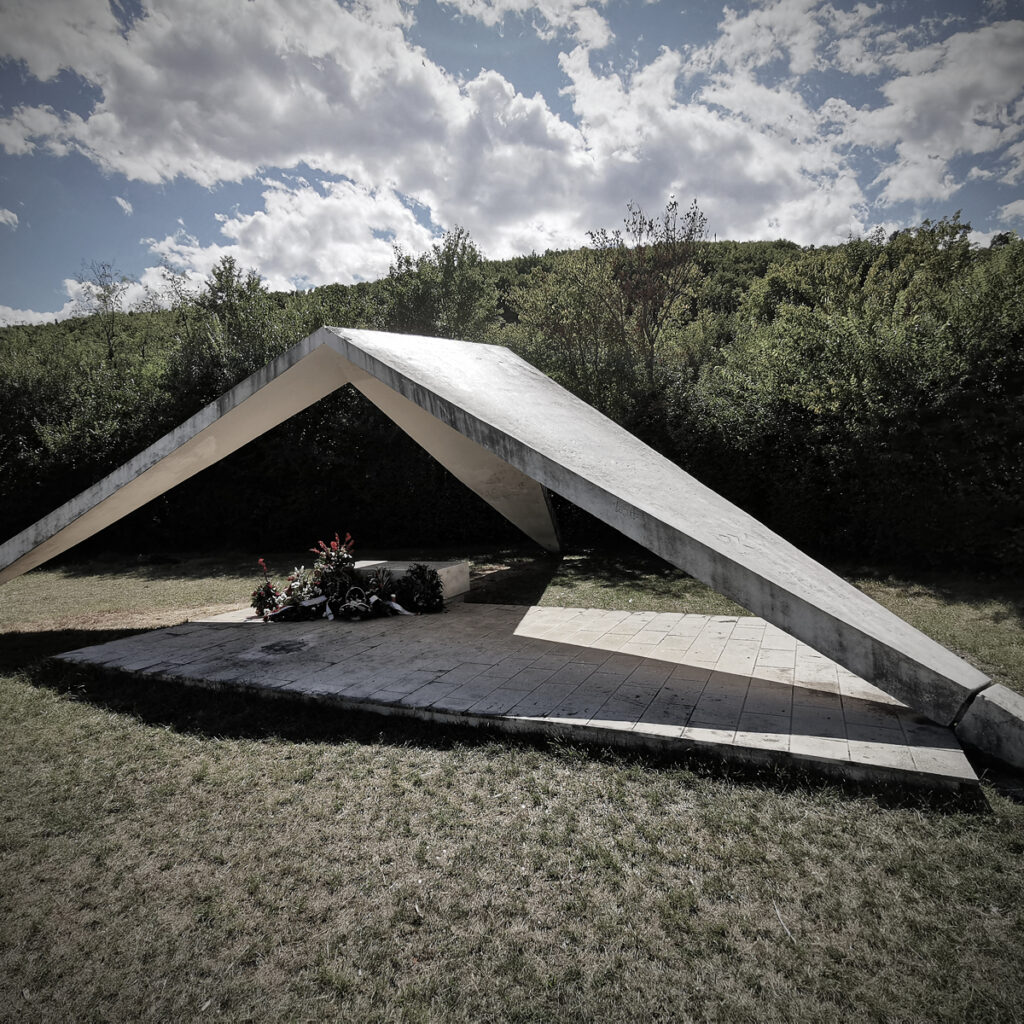
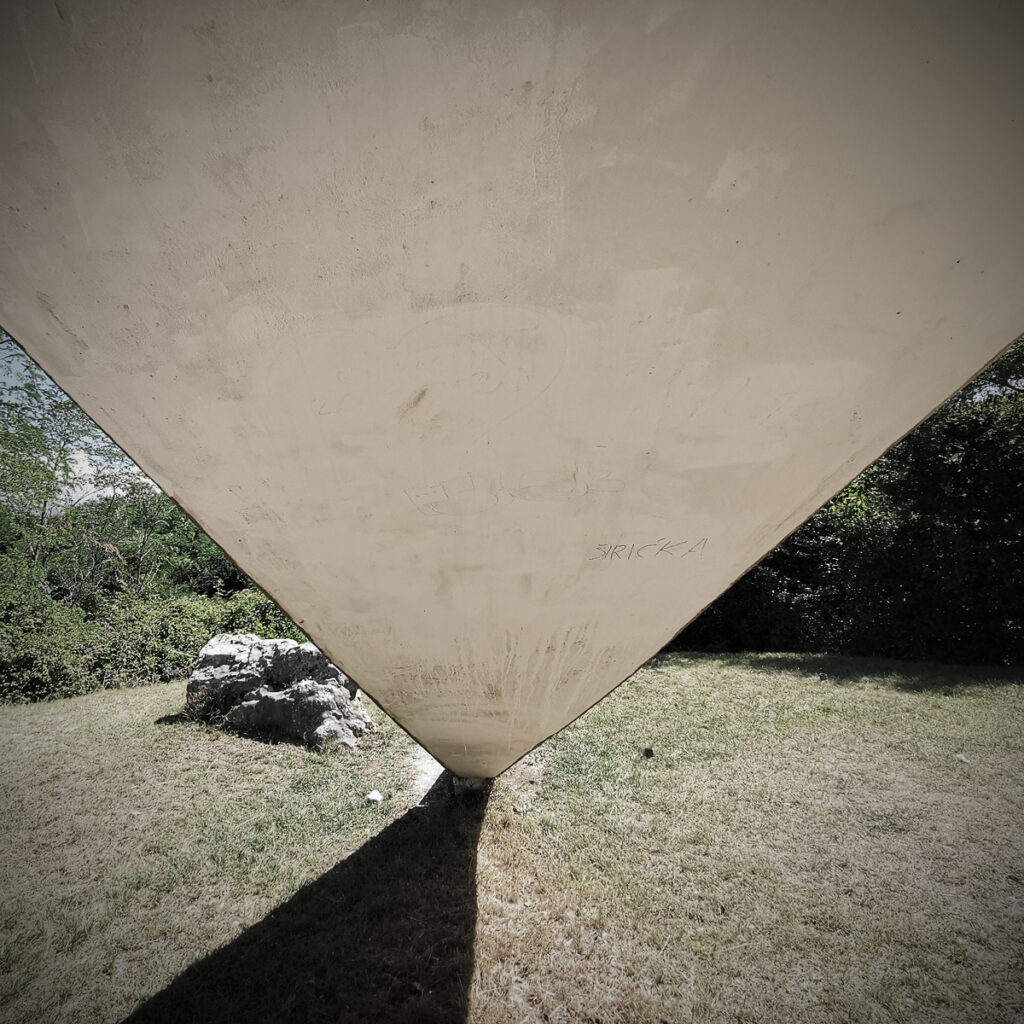
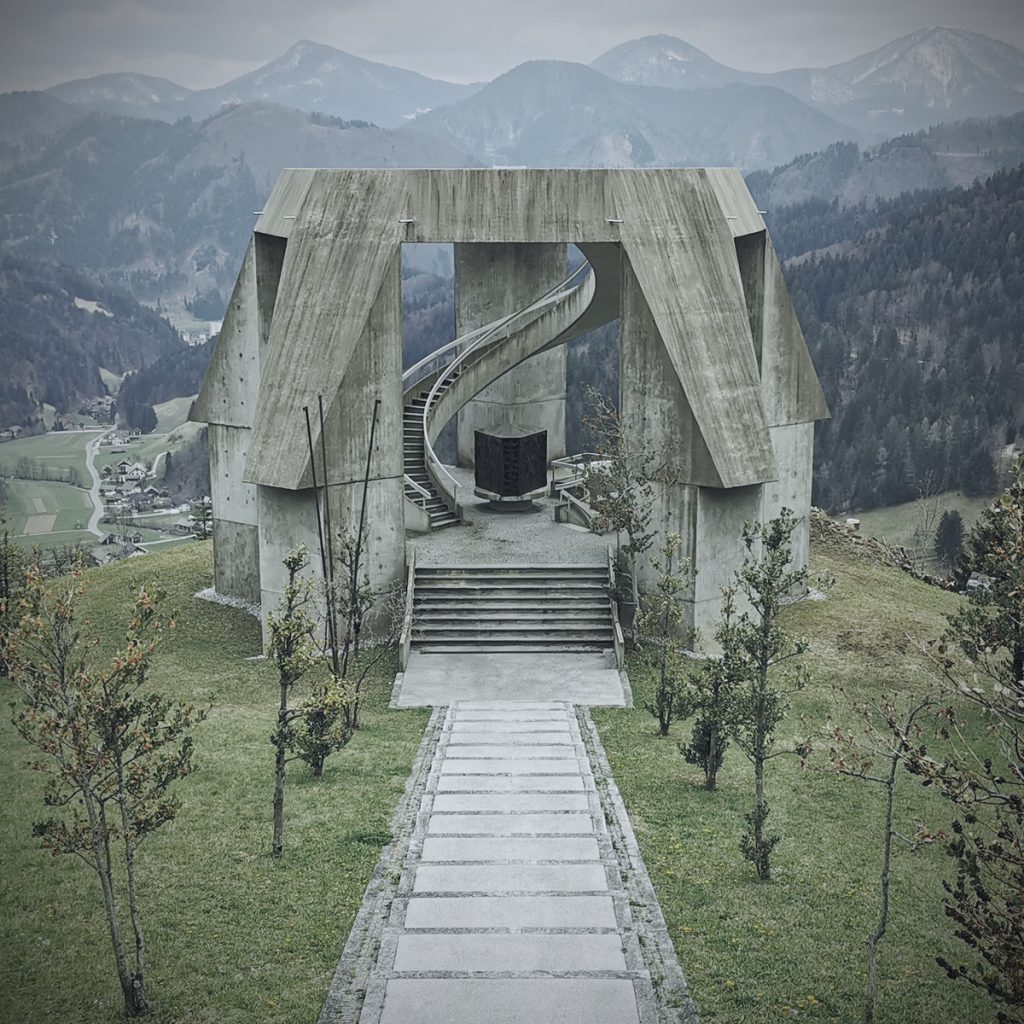
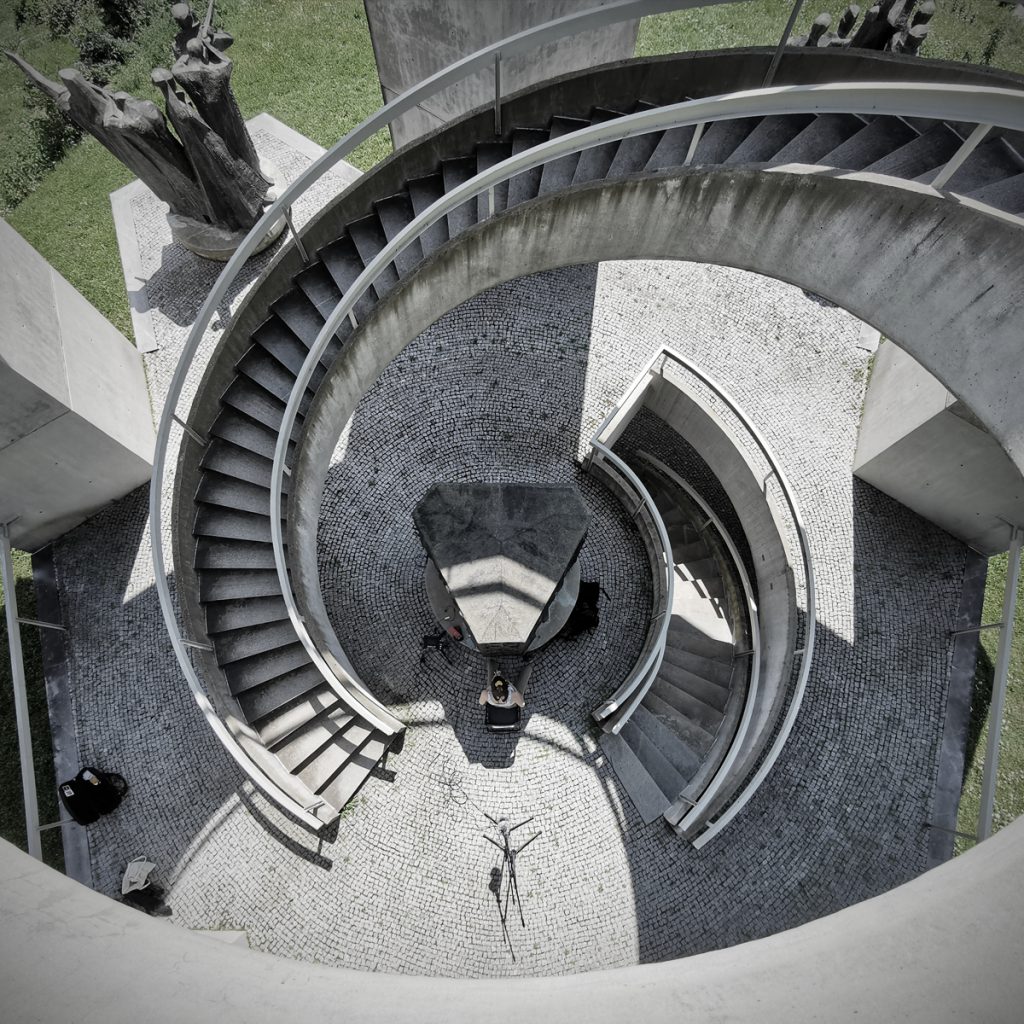
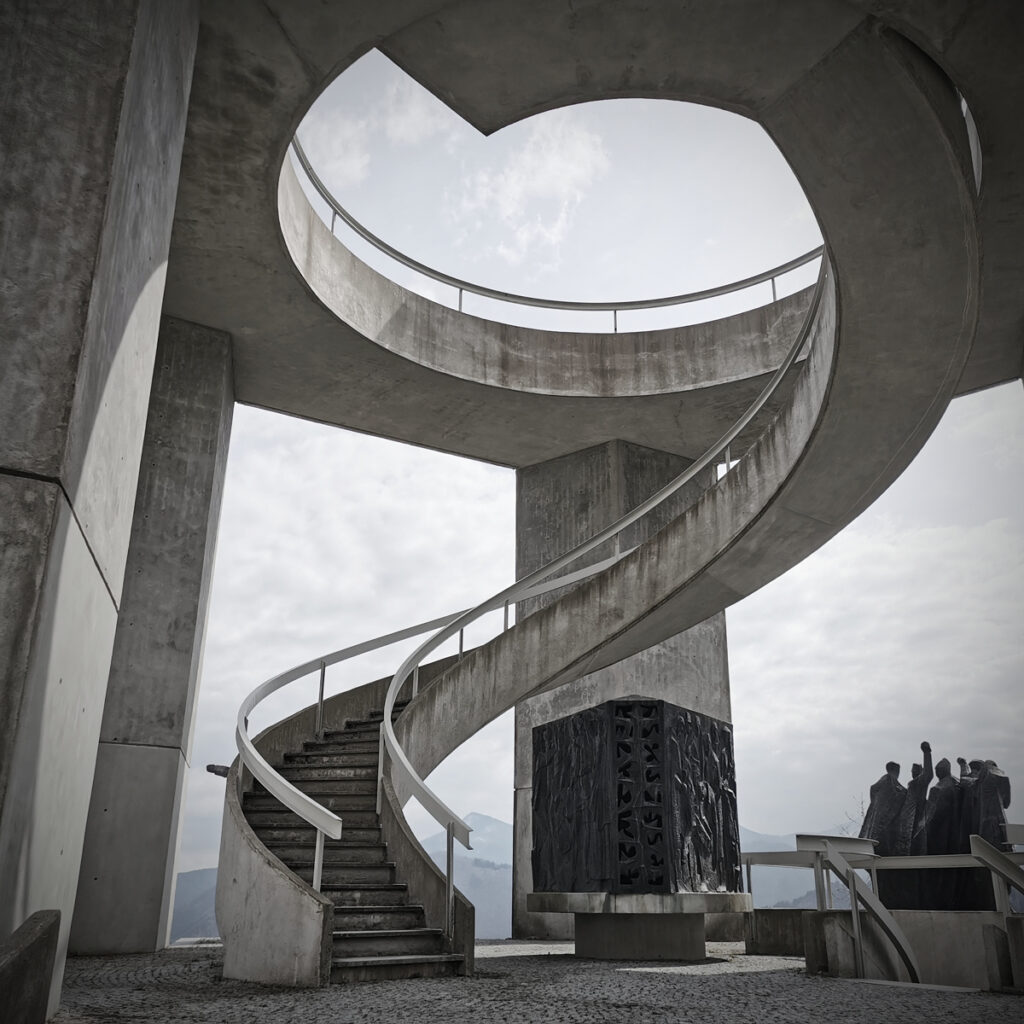
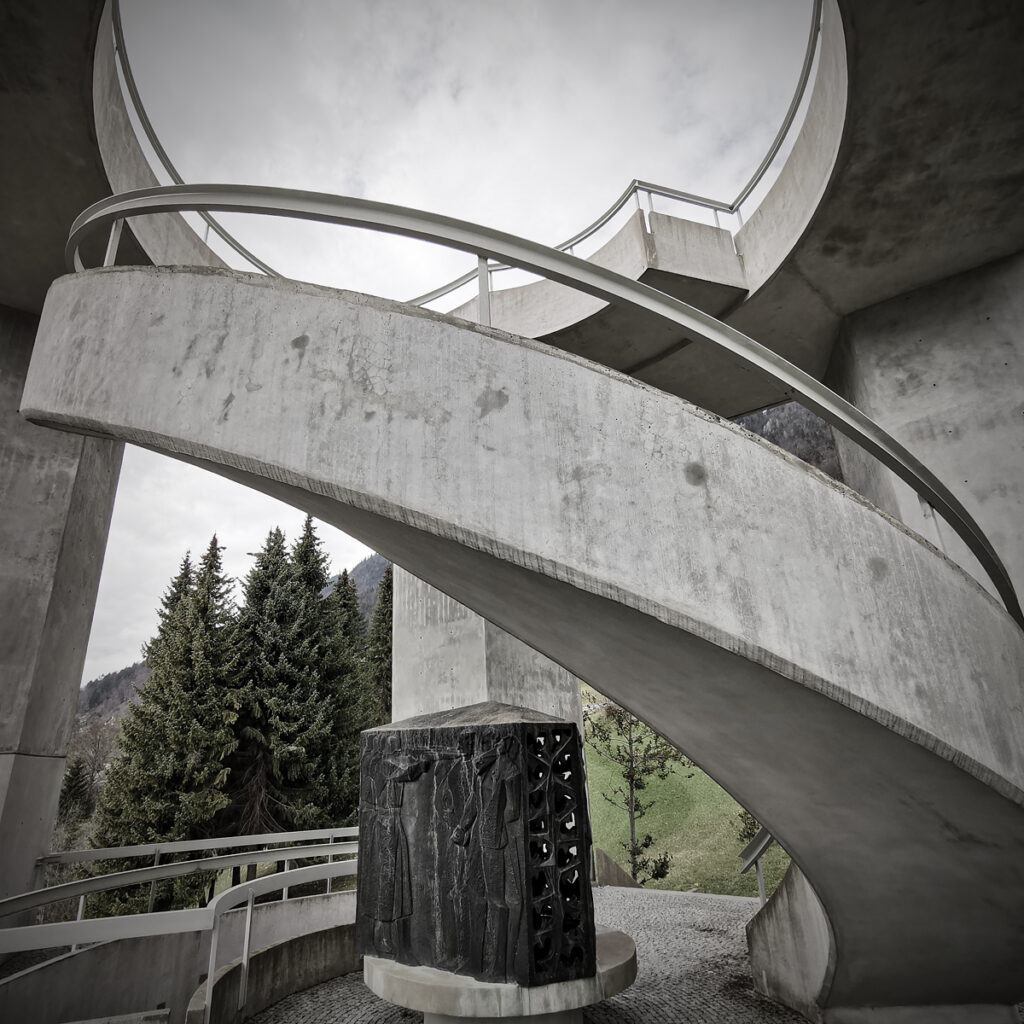
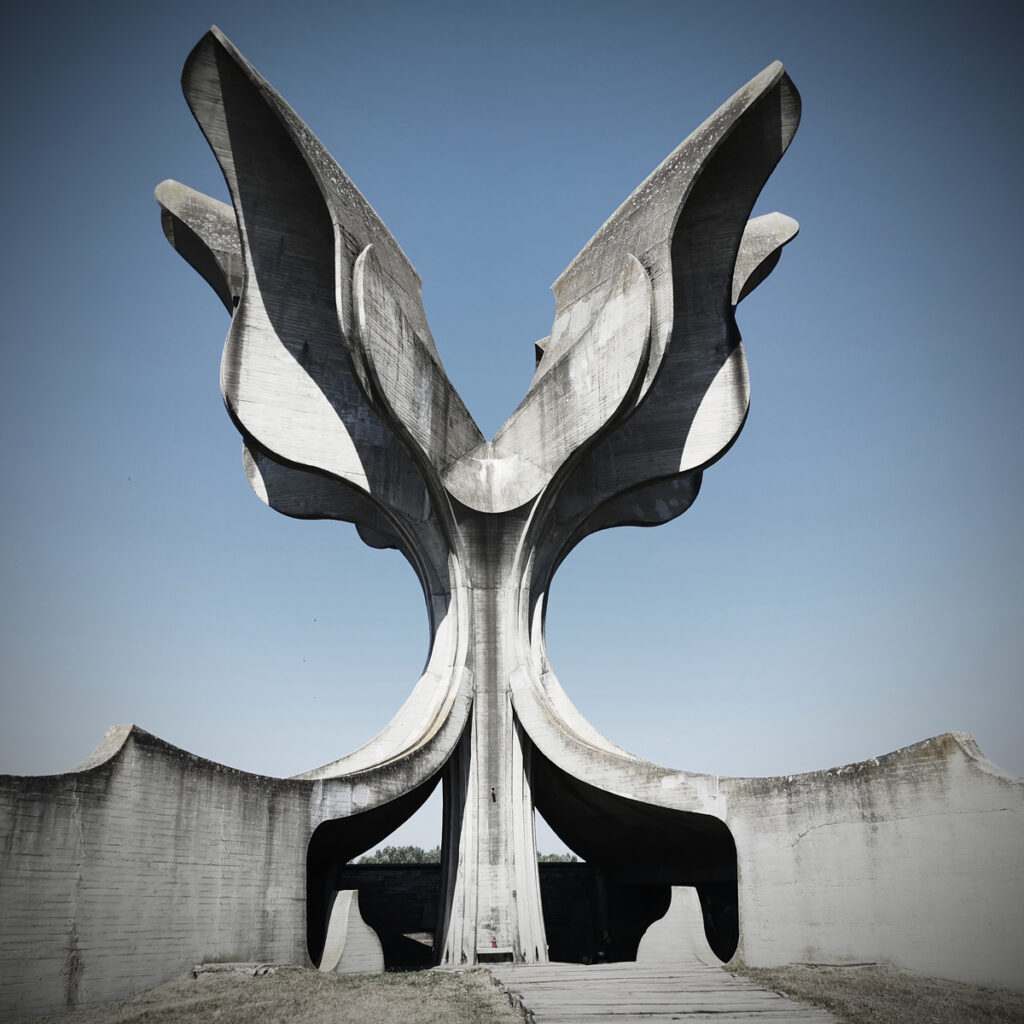
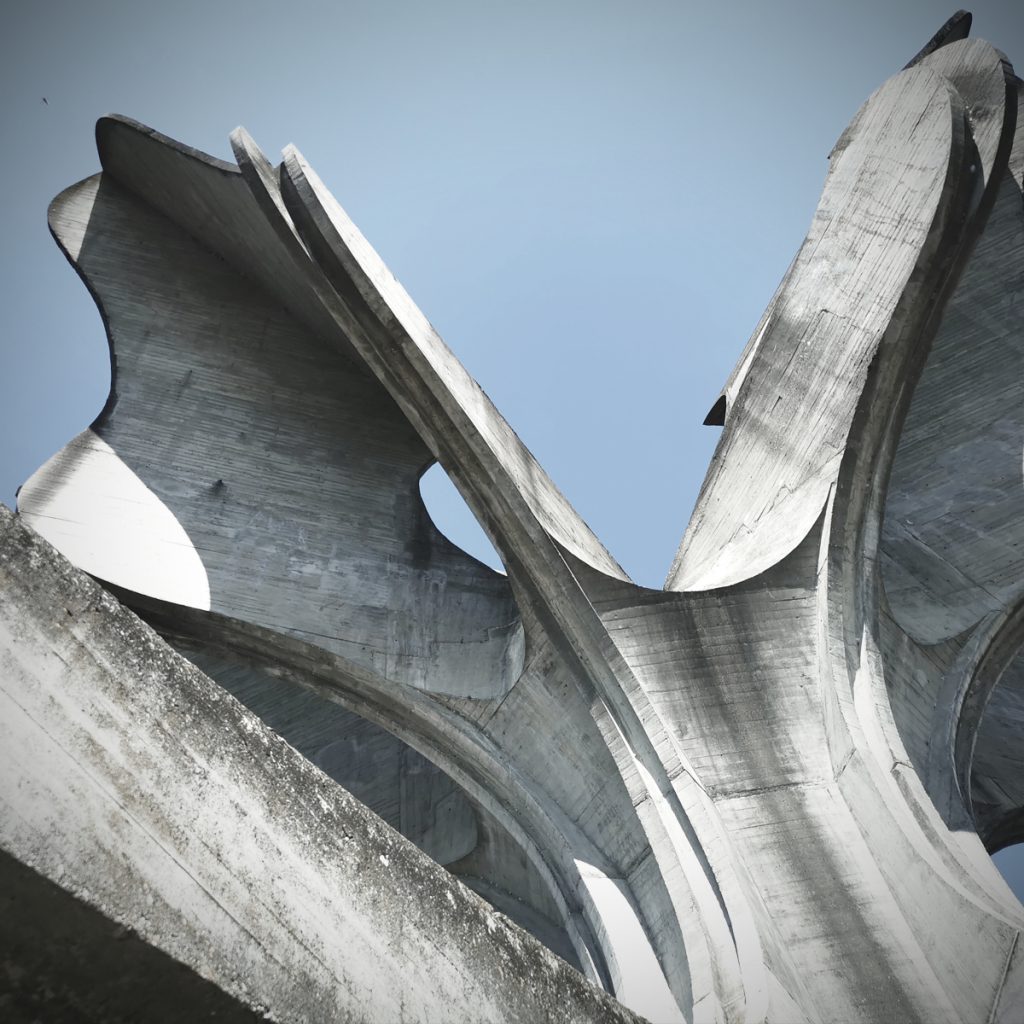
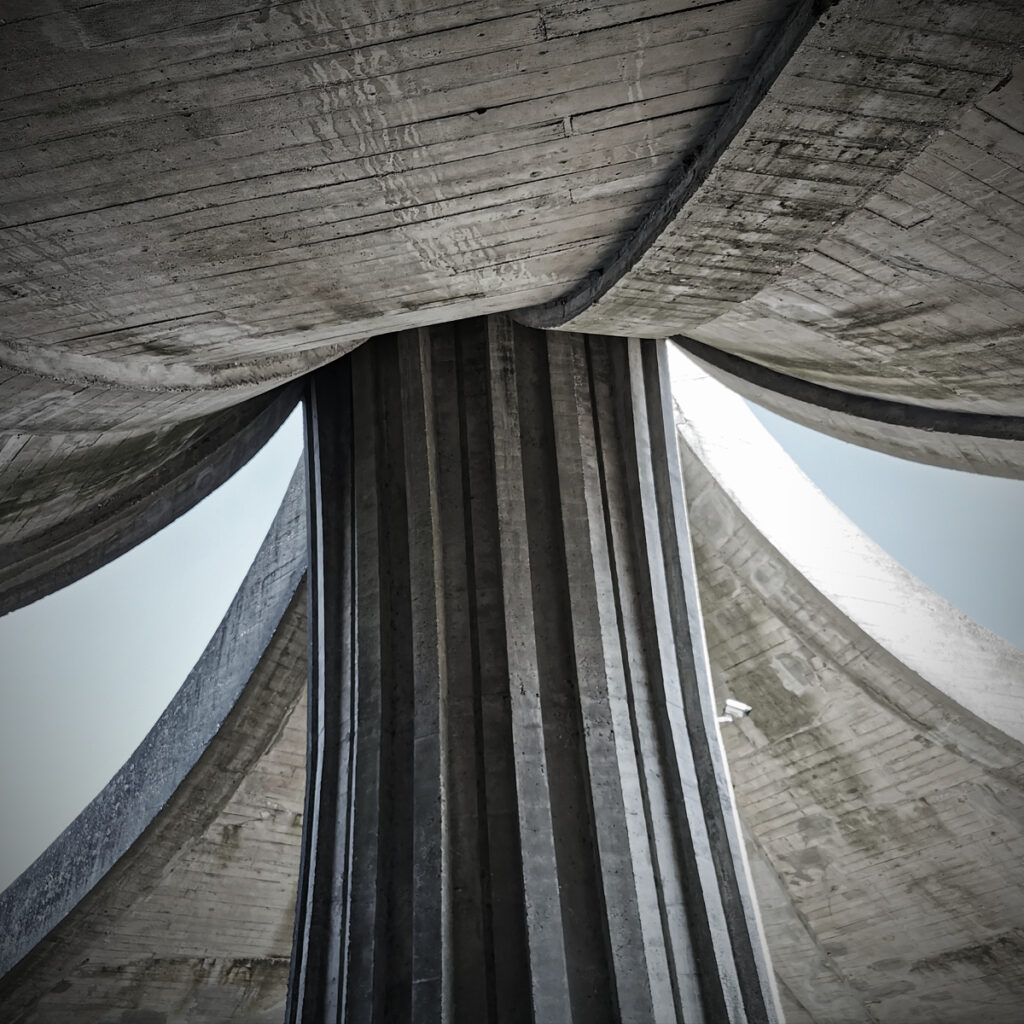
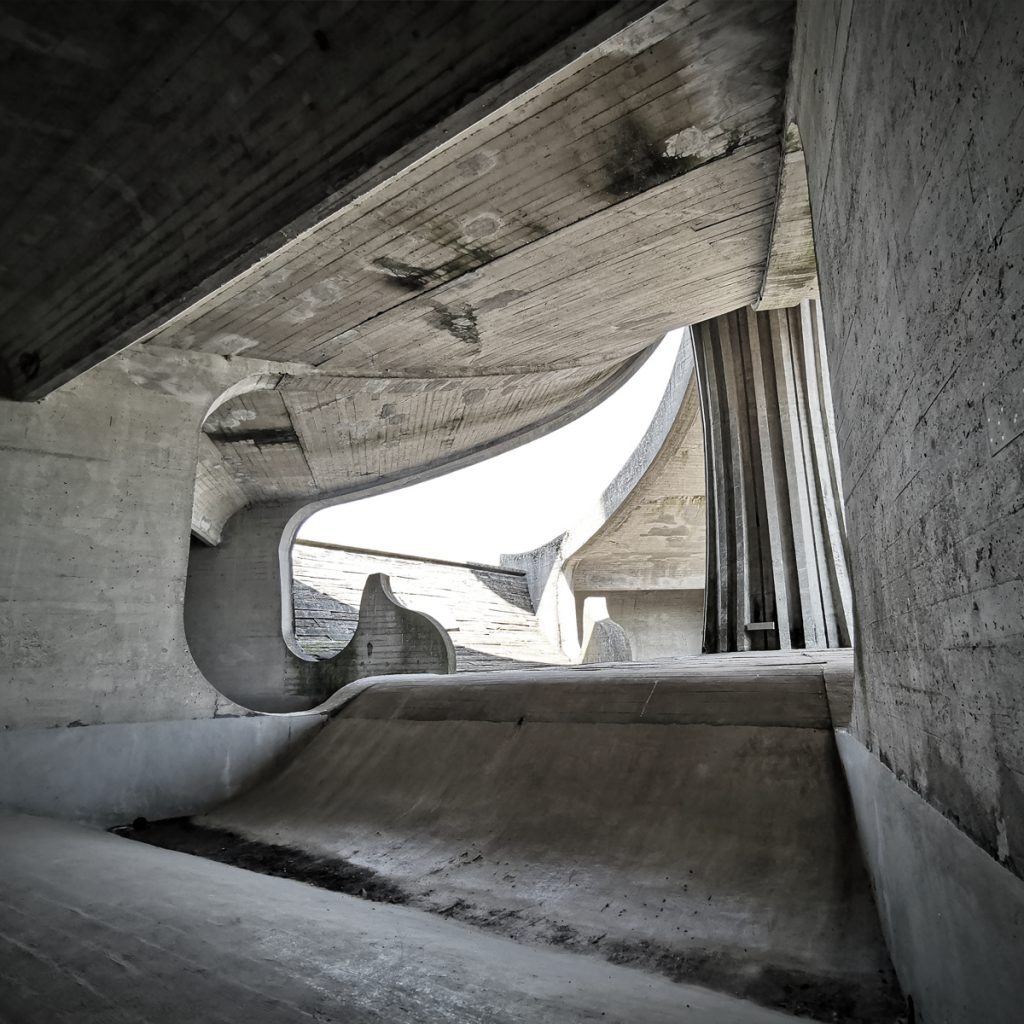
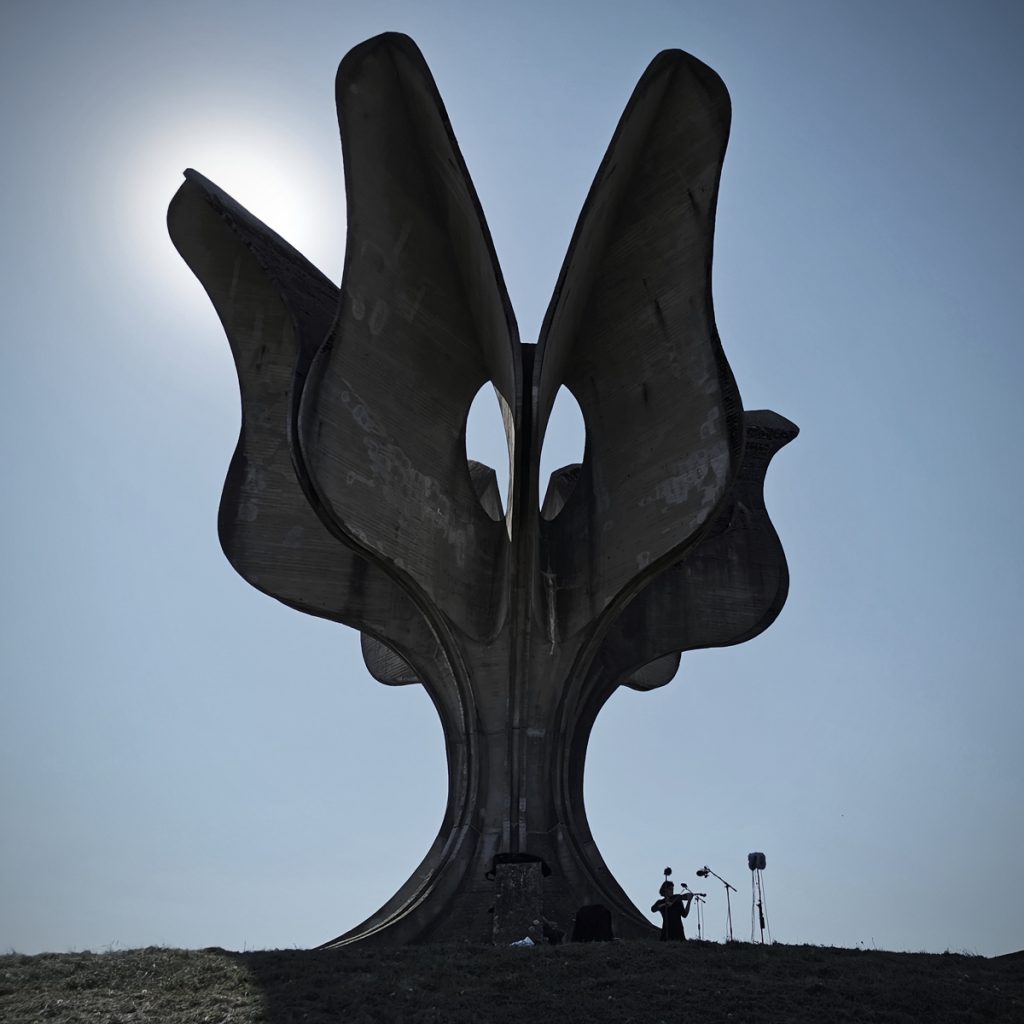
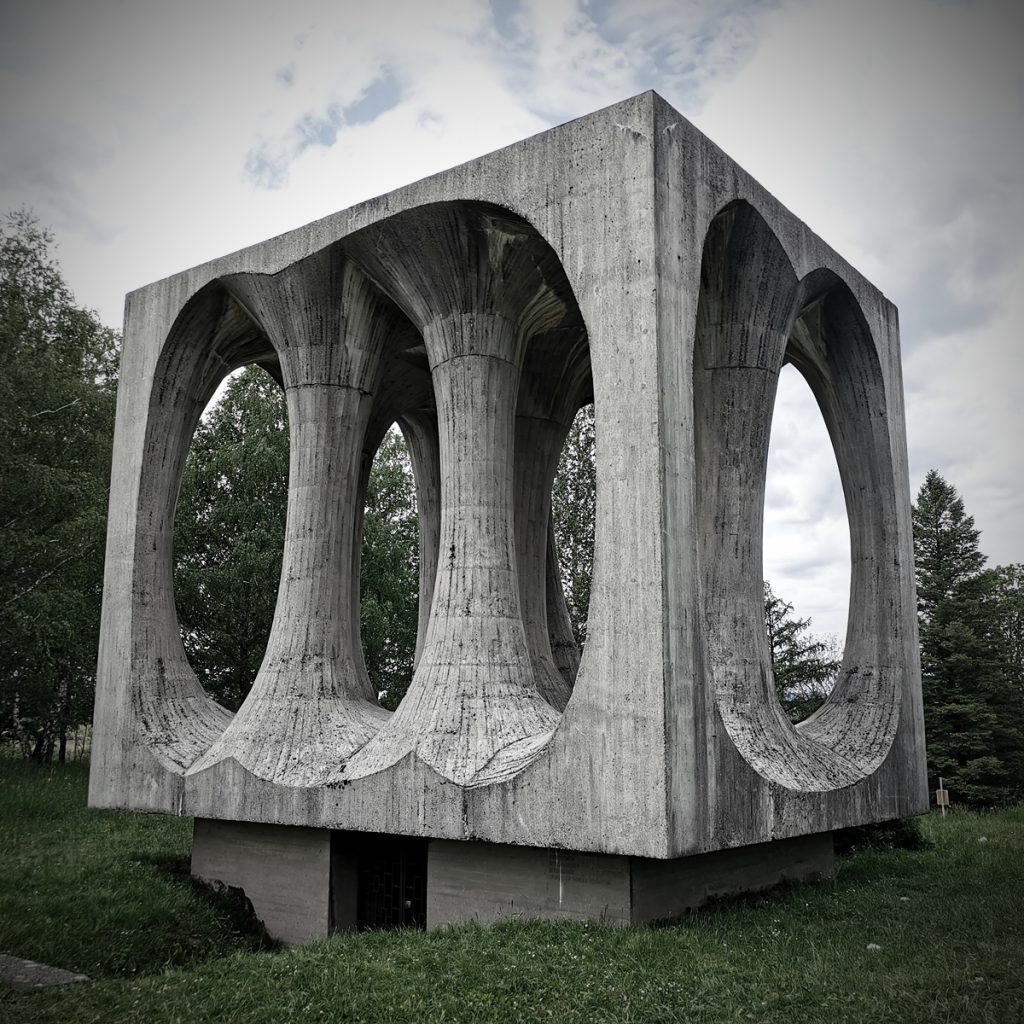
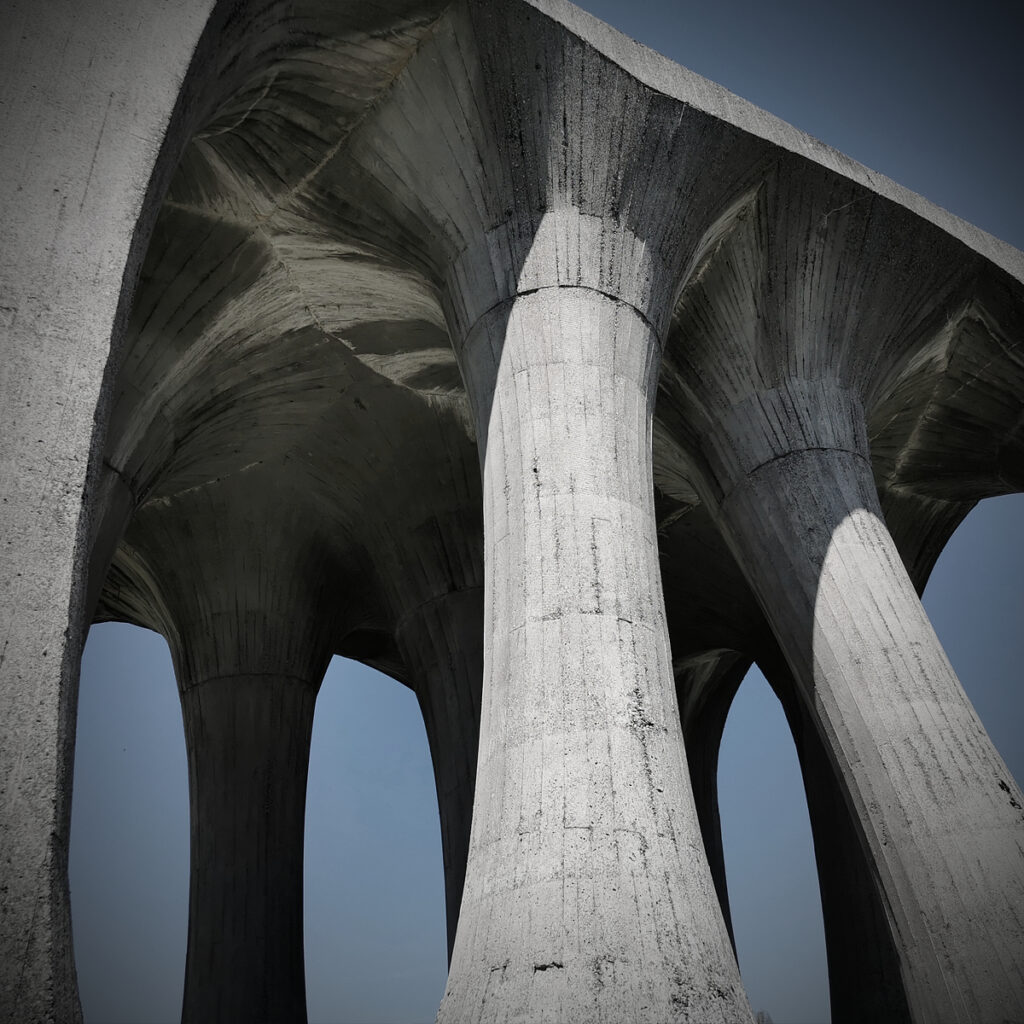
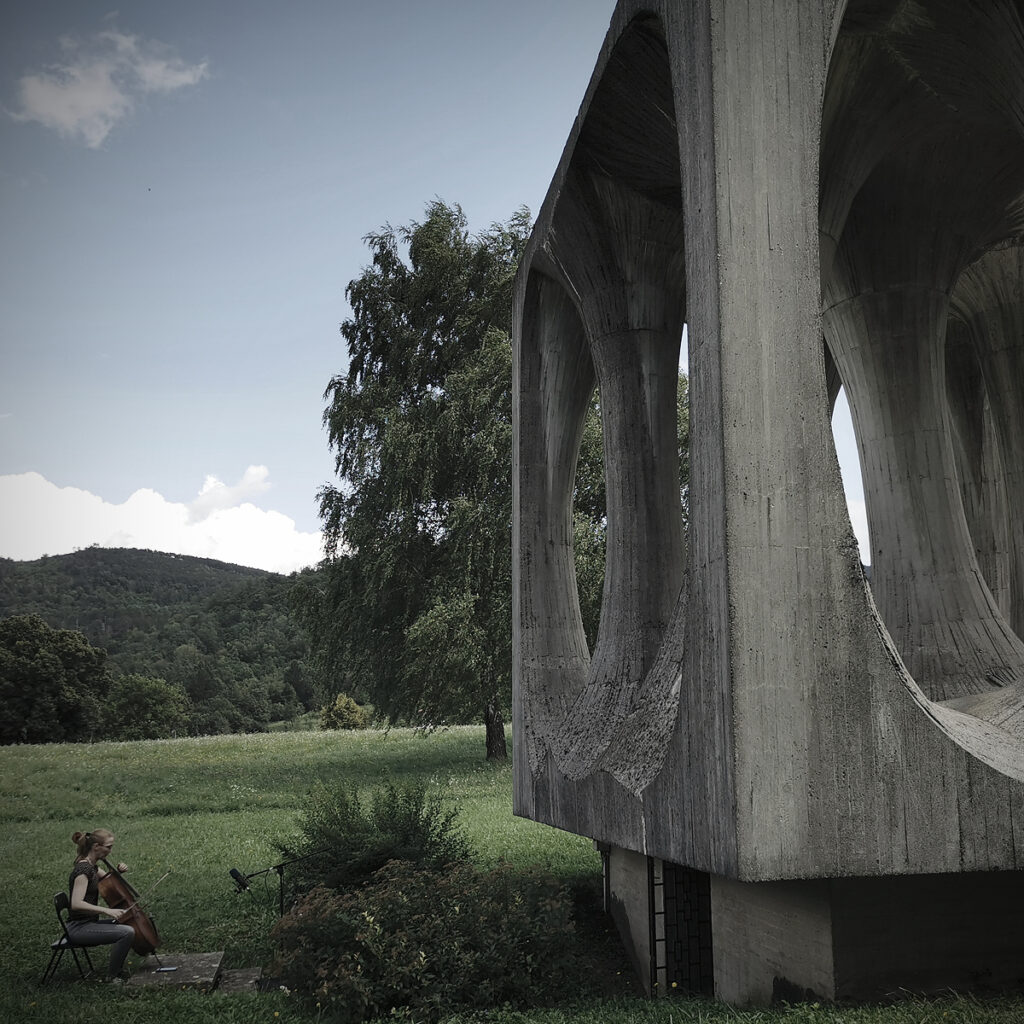
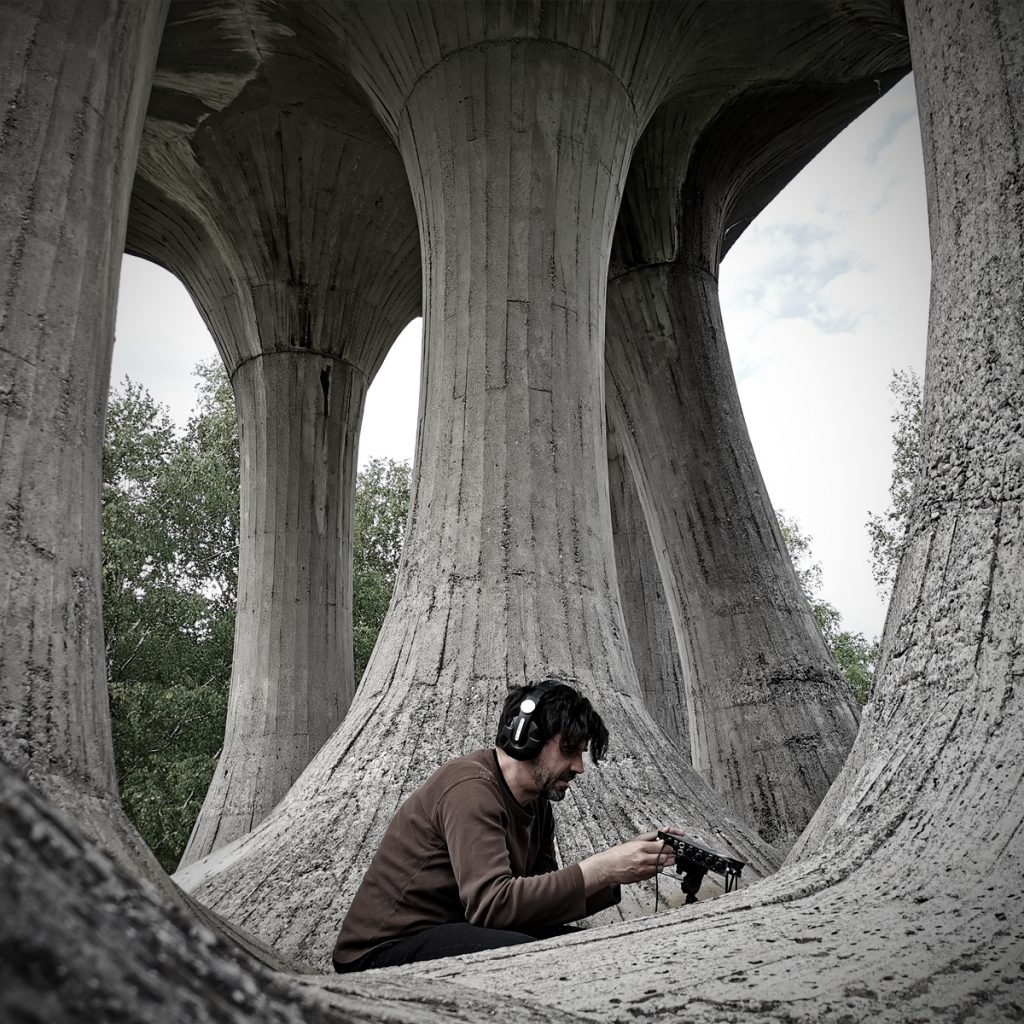
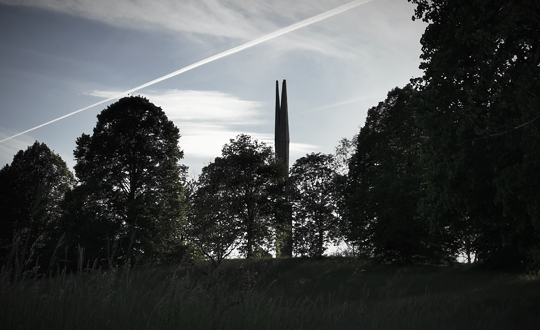
While the striking and still enigmatic appearance of the abstract brutalist monuments of the former Socialist Federal Republic of Yugoslavia has been well-documented in recent years, we know hardly anything about their sounding aspects. Most of these spomeniks (original plural form spomenici, meaning memorials in the Serbo-Croatian language, derived from the root spomen- which means memory) have hollow parts that serve as resonant spaces. The most characteristic materials from which these historical artefacts were made are poured concrete and rebar, or steel frames with metallic covering plates, all materials that certainly influence sounds or can modify them audibly. Curiously, nobody has until now examined, thoroughly documented and published these enduring landscape objects as acoustic spaces. Besides the spomeniks' direct sonic aspects, we know little about their surrounding acoustic environments. The majority of these unique and individual monuments were constructed in remote rural locations, usually far from any urbanization, while some of them were erected in city centres or suburbs, or near villages – all of which give rise to a highly diverse range of sounding ambience.
However these spomeniks functioned – and some of them still function – as World War II memorials with a clear anti-fascist connotation, and from the mid-50s until the late 70s as the materialized emblems of Josip Broz Tito's utopian idea of a strong and united Yugoslavian state with the slogan 'brotherhood and unity', we regard these abstract but undisputedly iconic modernist constructions primarily as architectural works of art. These monuments, rooted in the anti-fascist struggle and commemorating countless victims of oppression, carry deep historical and ideological weight. We approach them with respect for their historical significance and as reminders of the fight against fascism. As a record label, we are interested in exploring their layered histories, but our primary focus lies in uncovering and amplifying the unique sonic qualities embedded within these monumental structures.
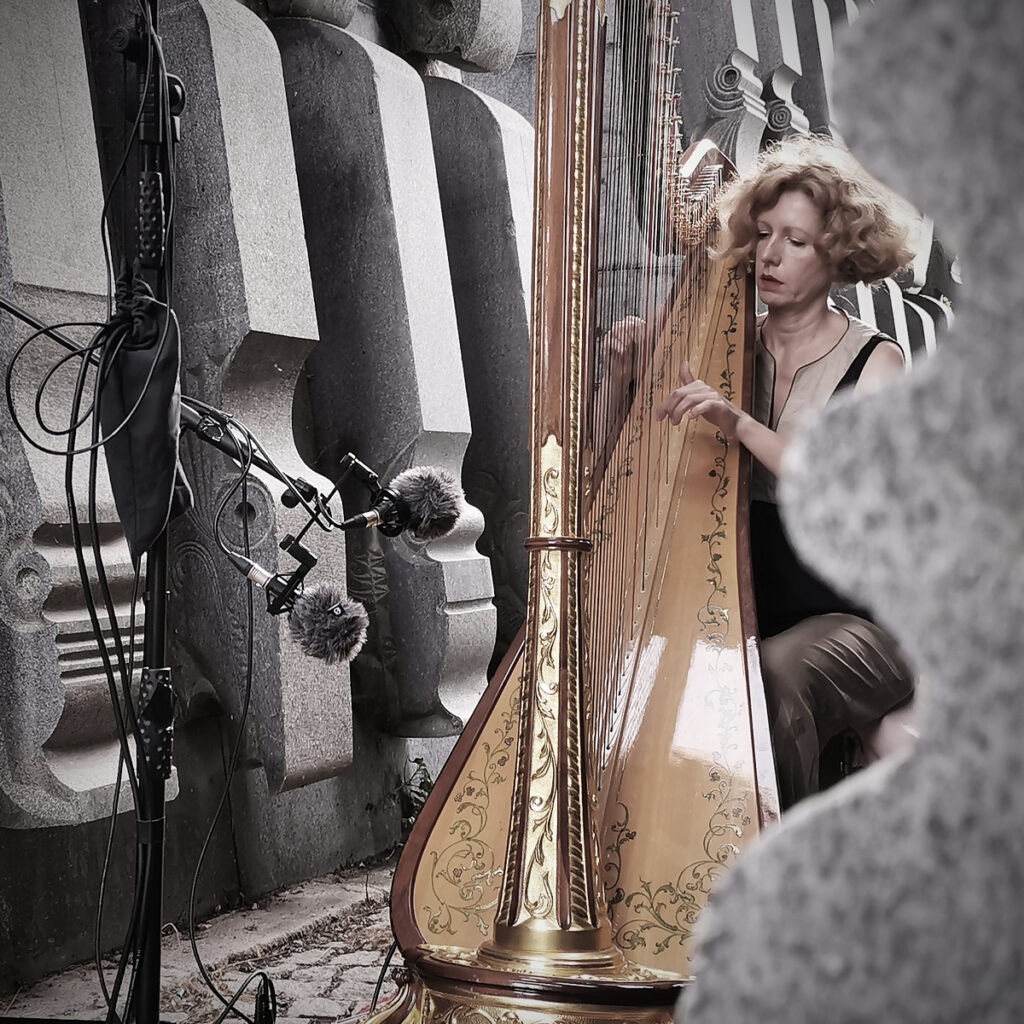
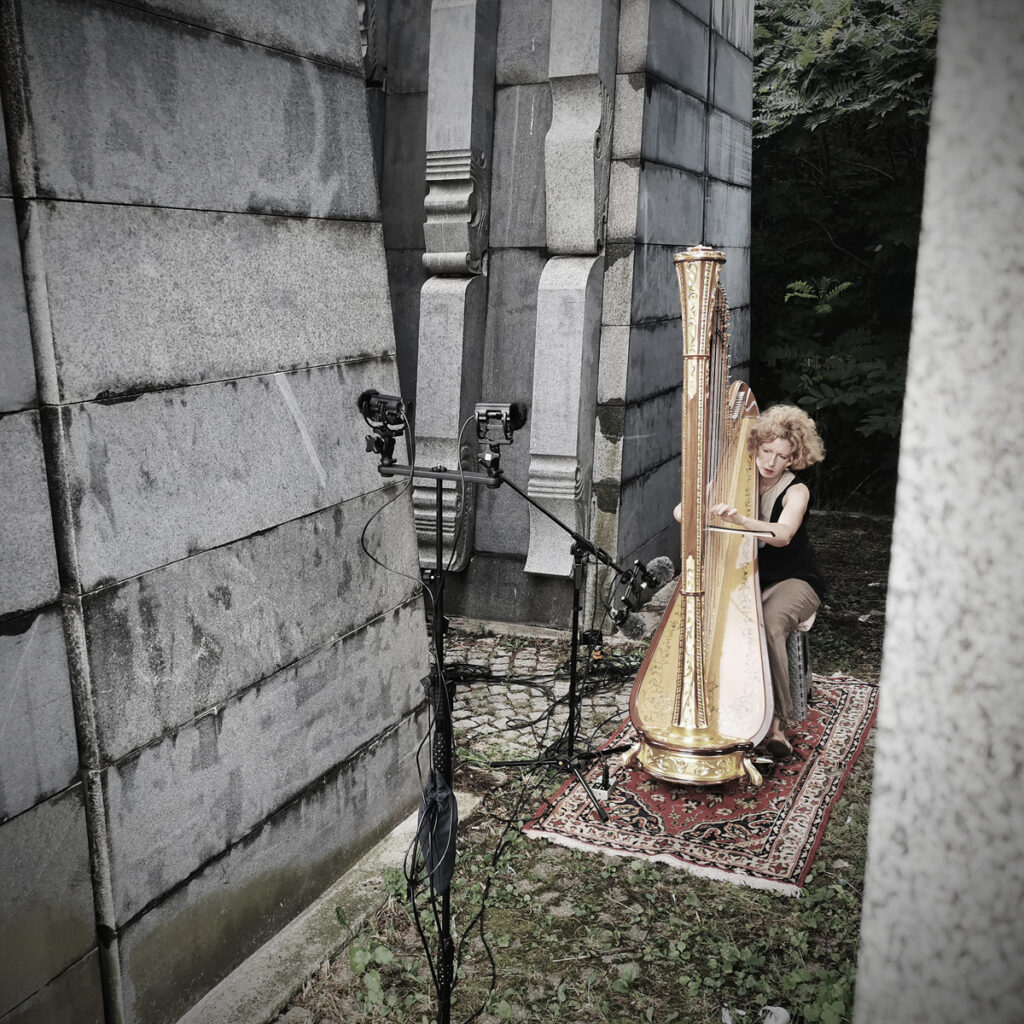
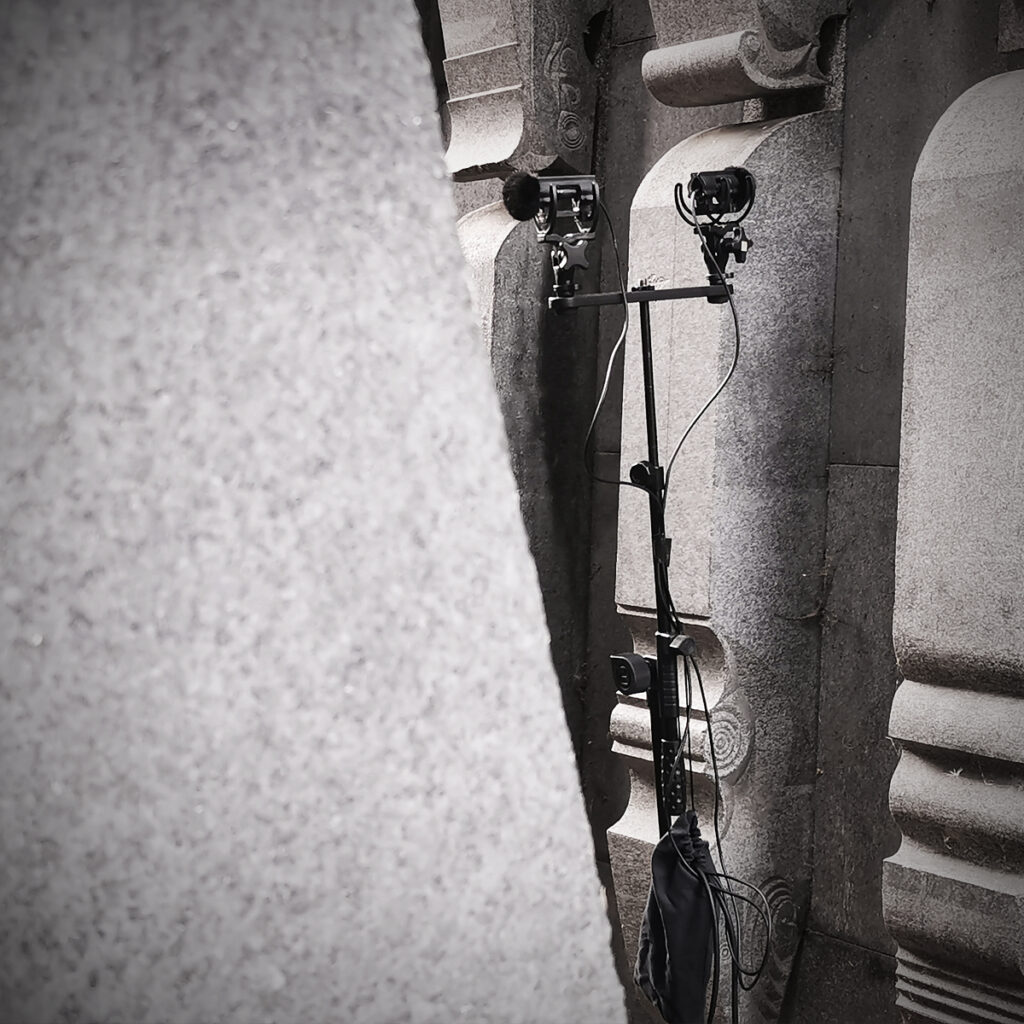
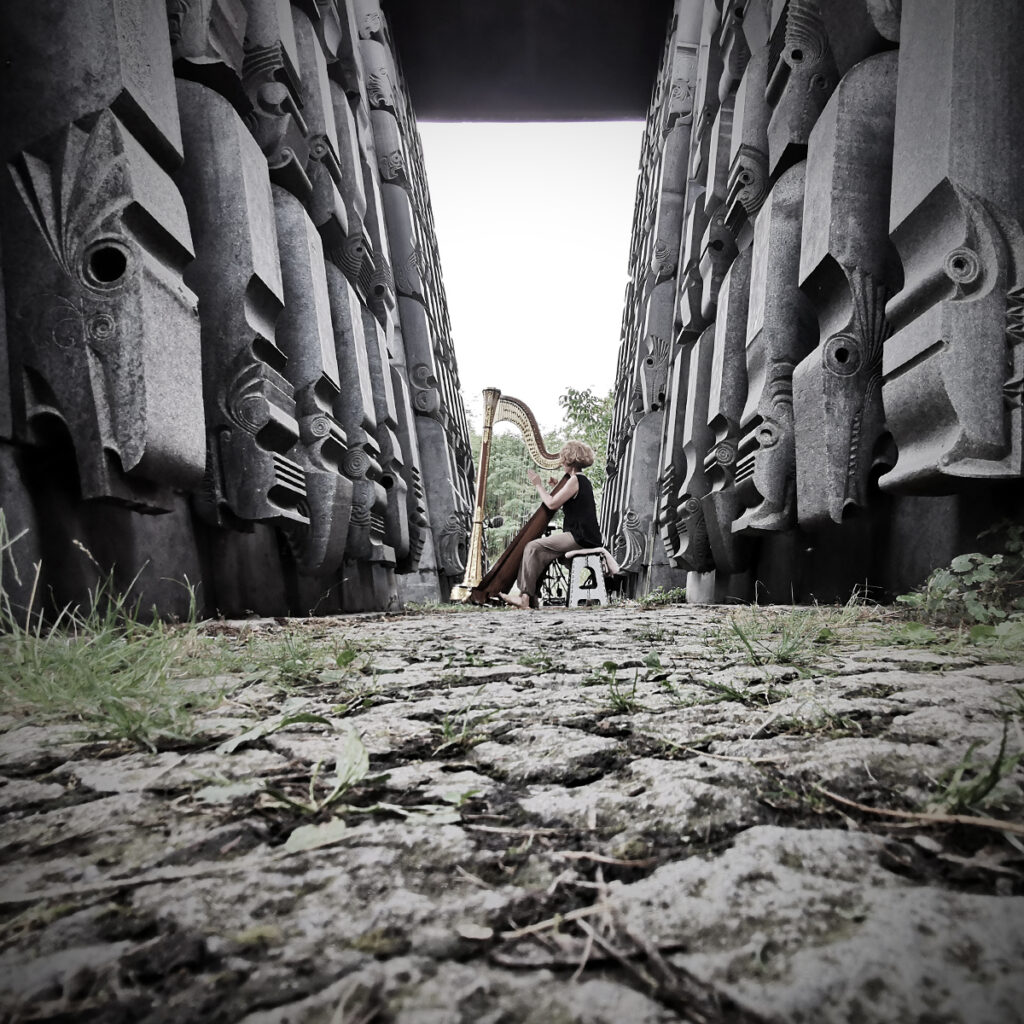
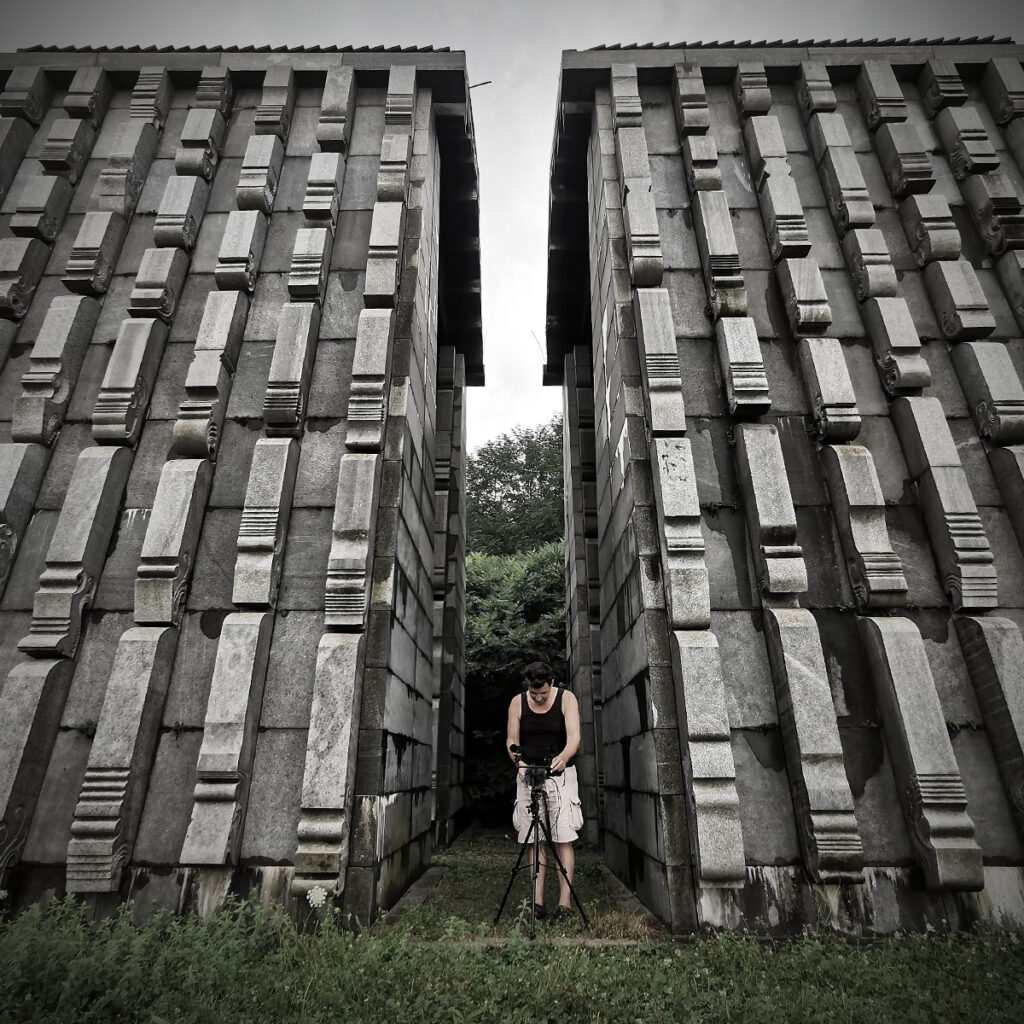
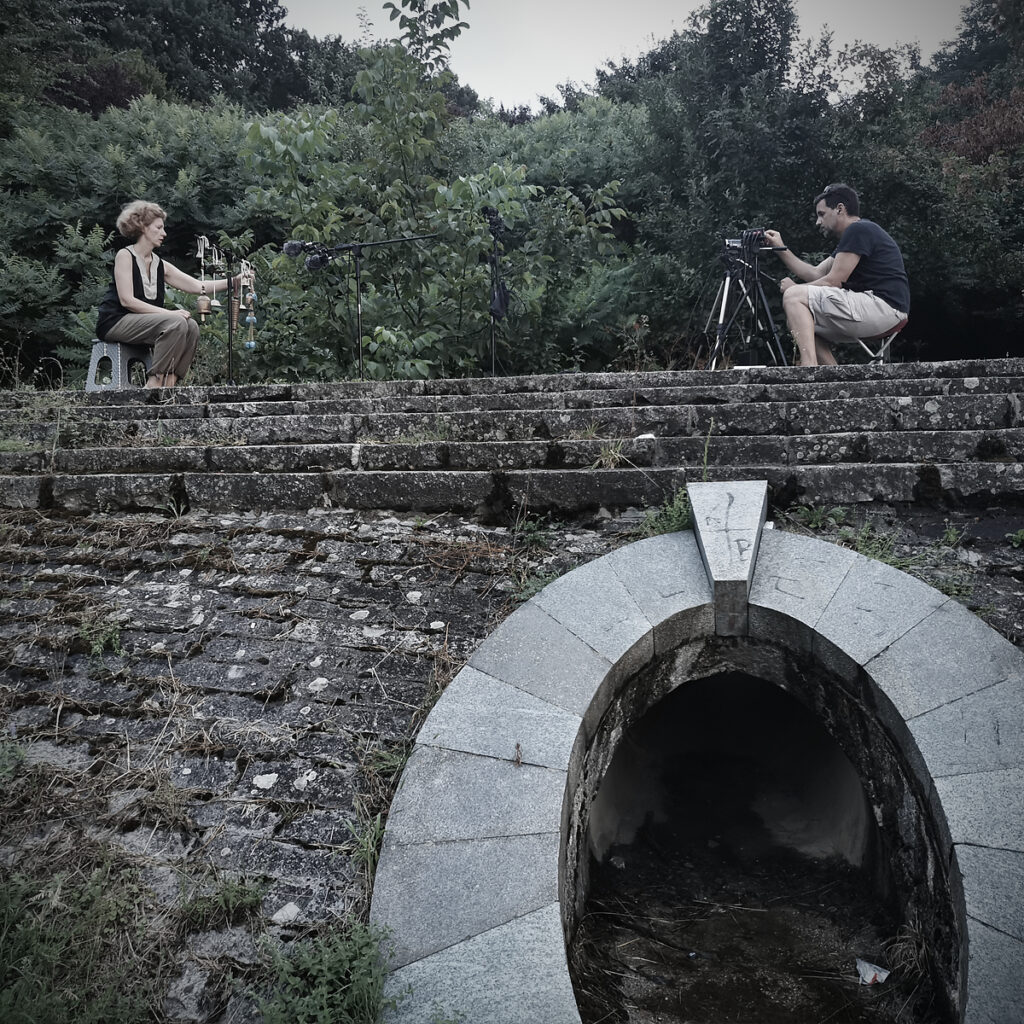
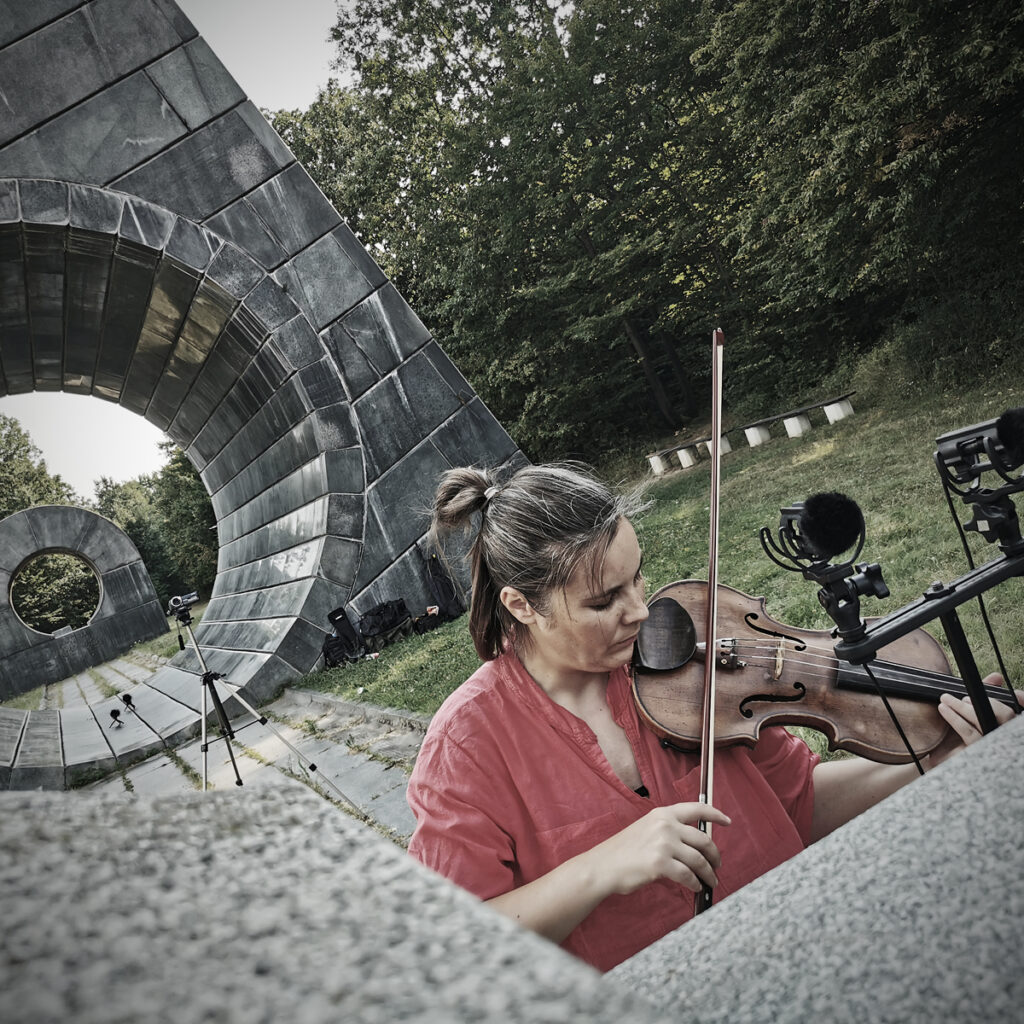
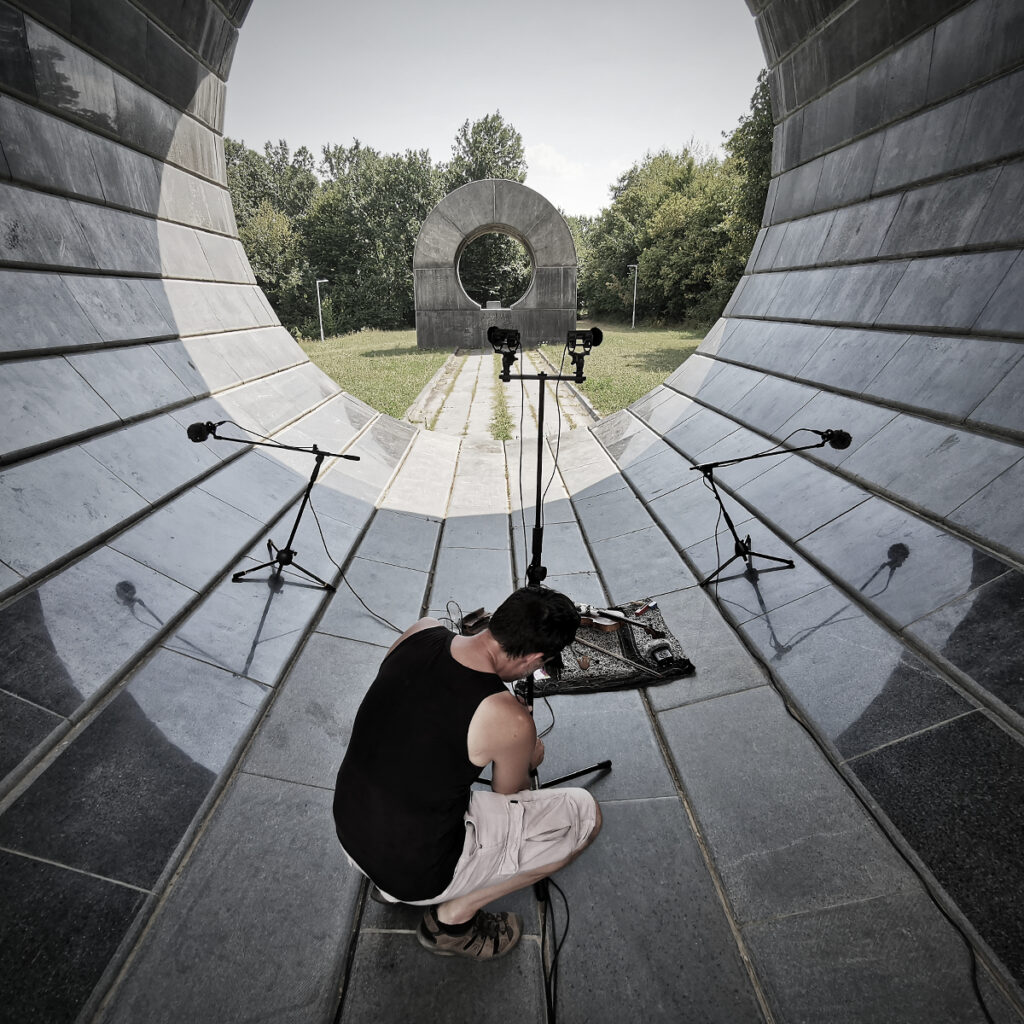
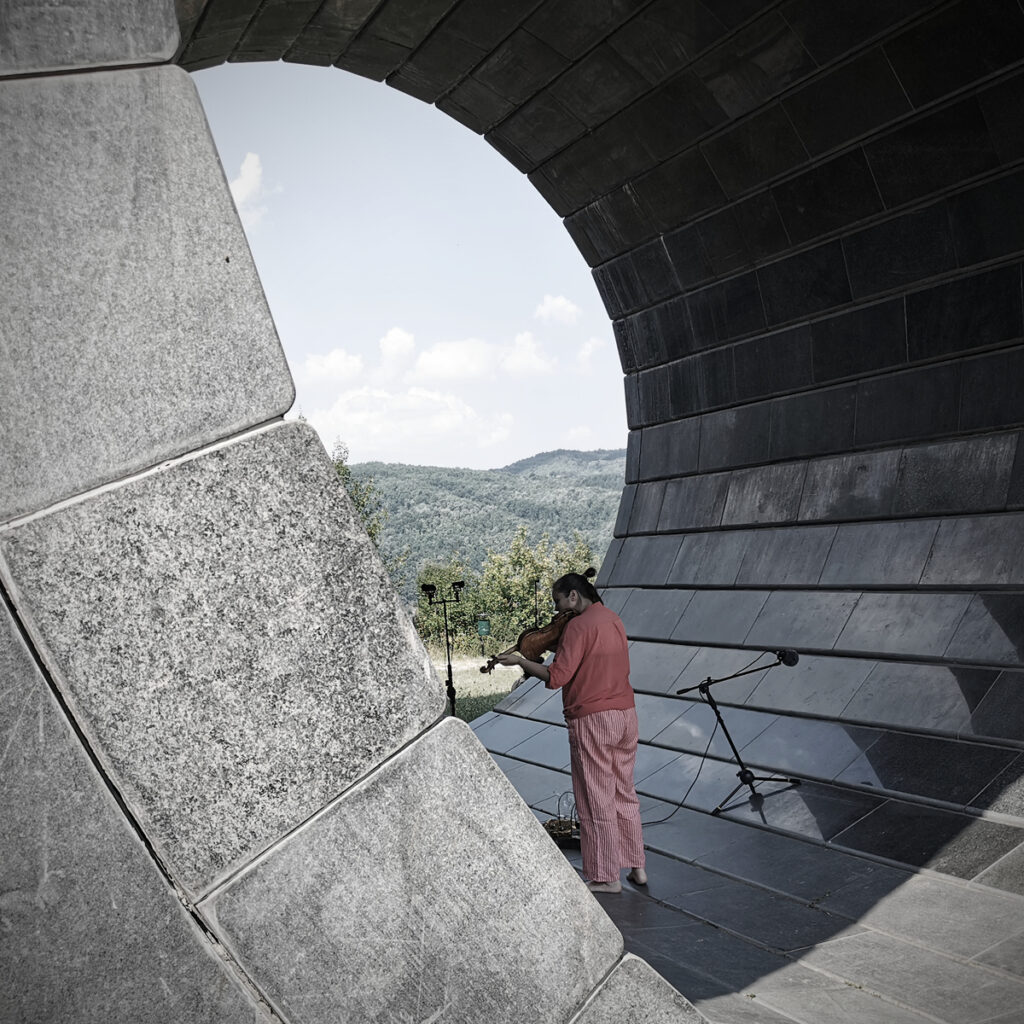
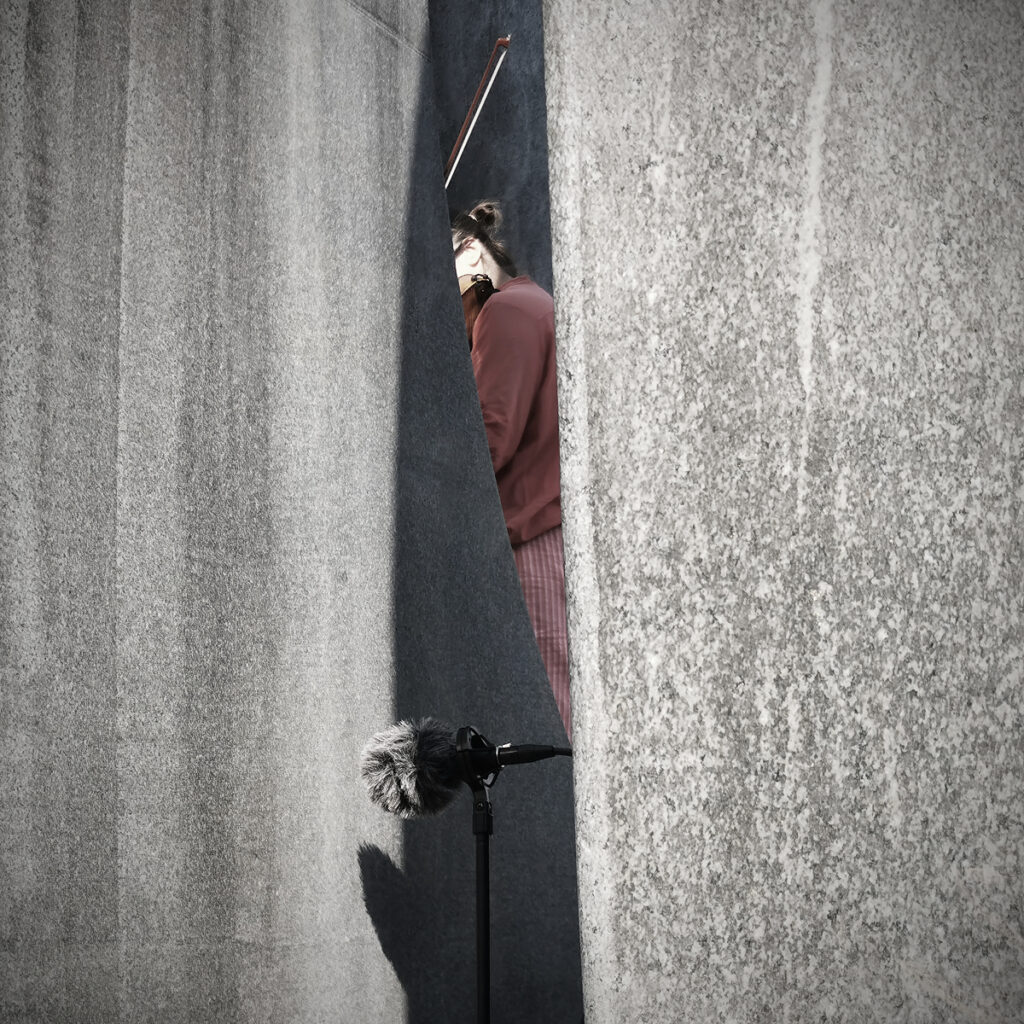
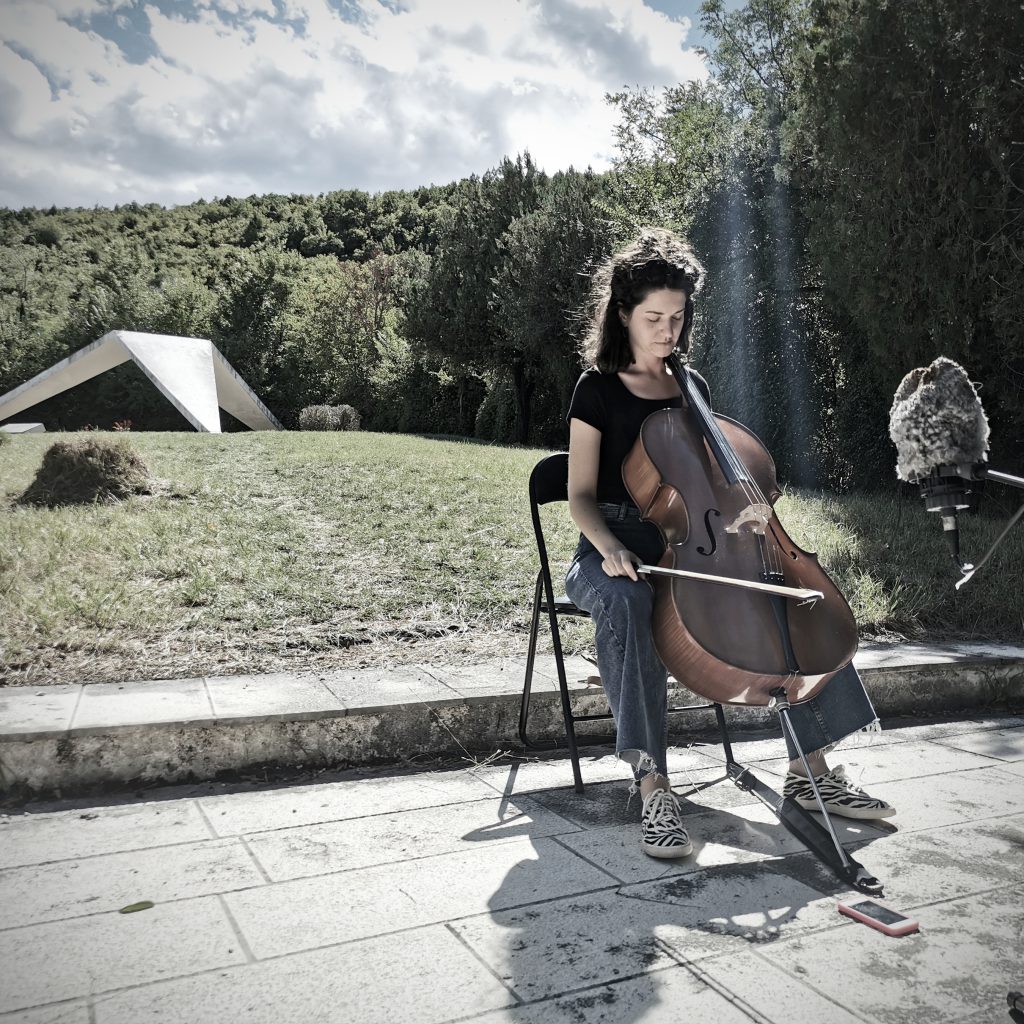
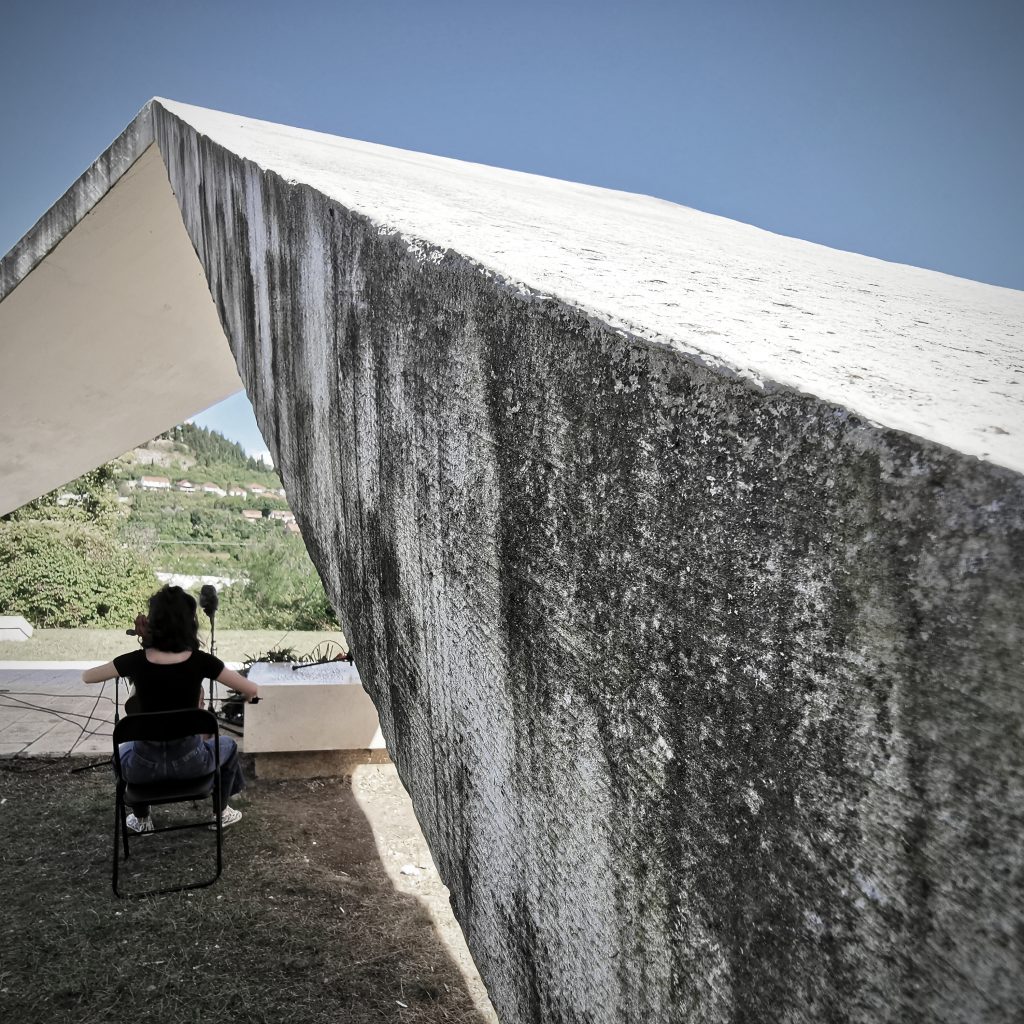
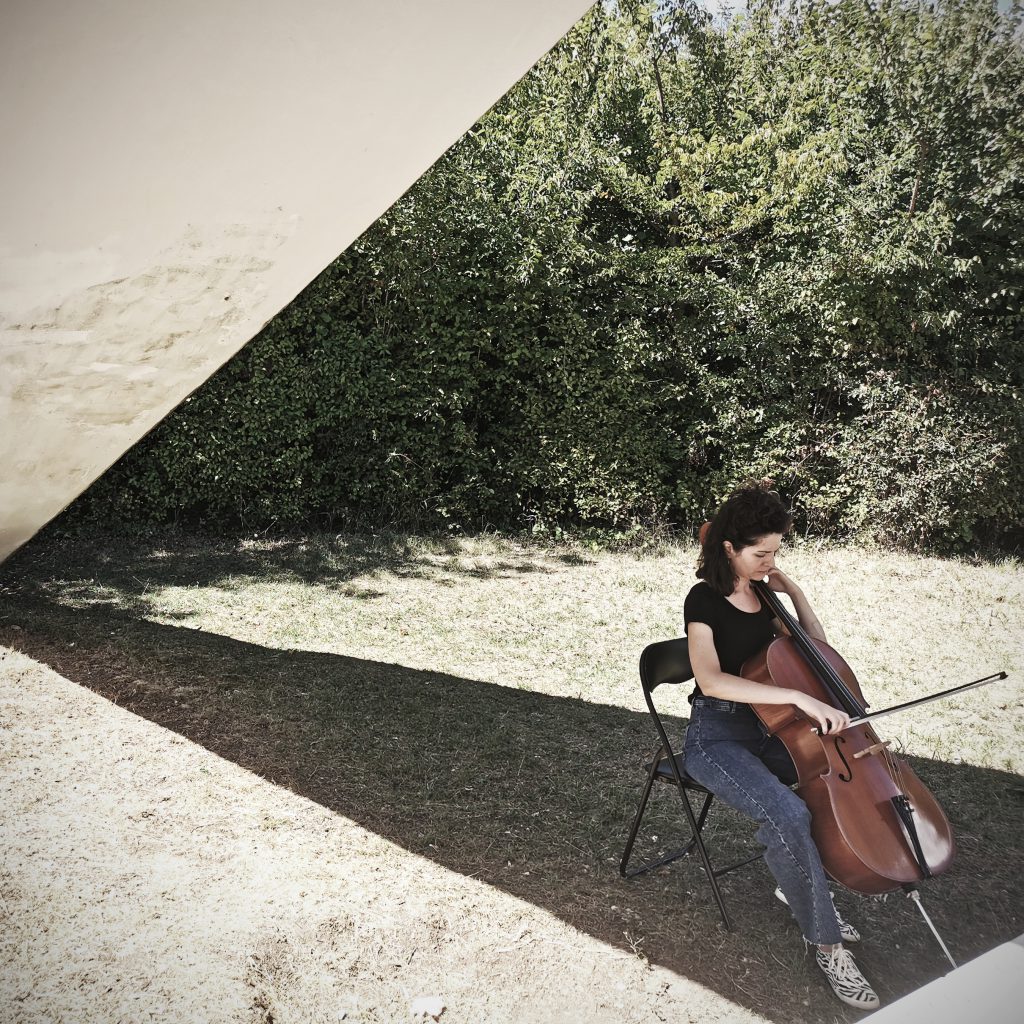
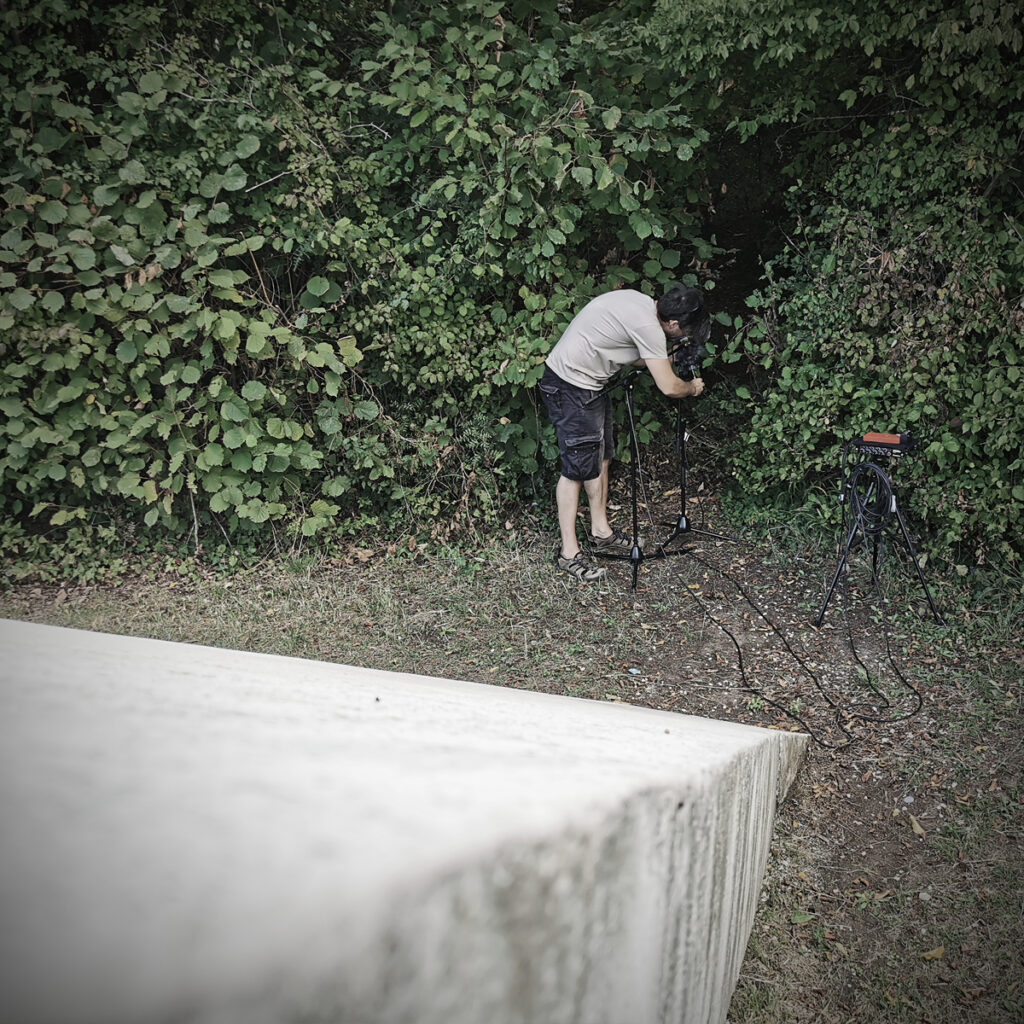
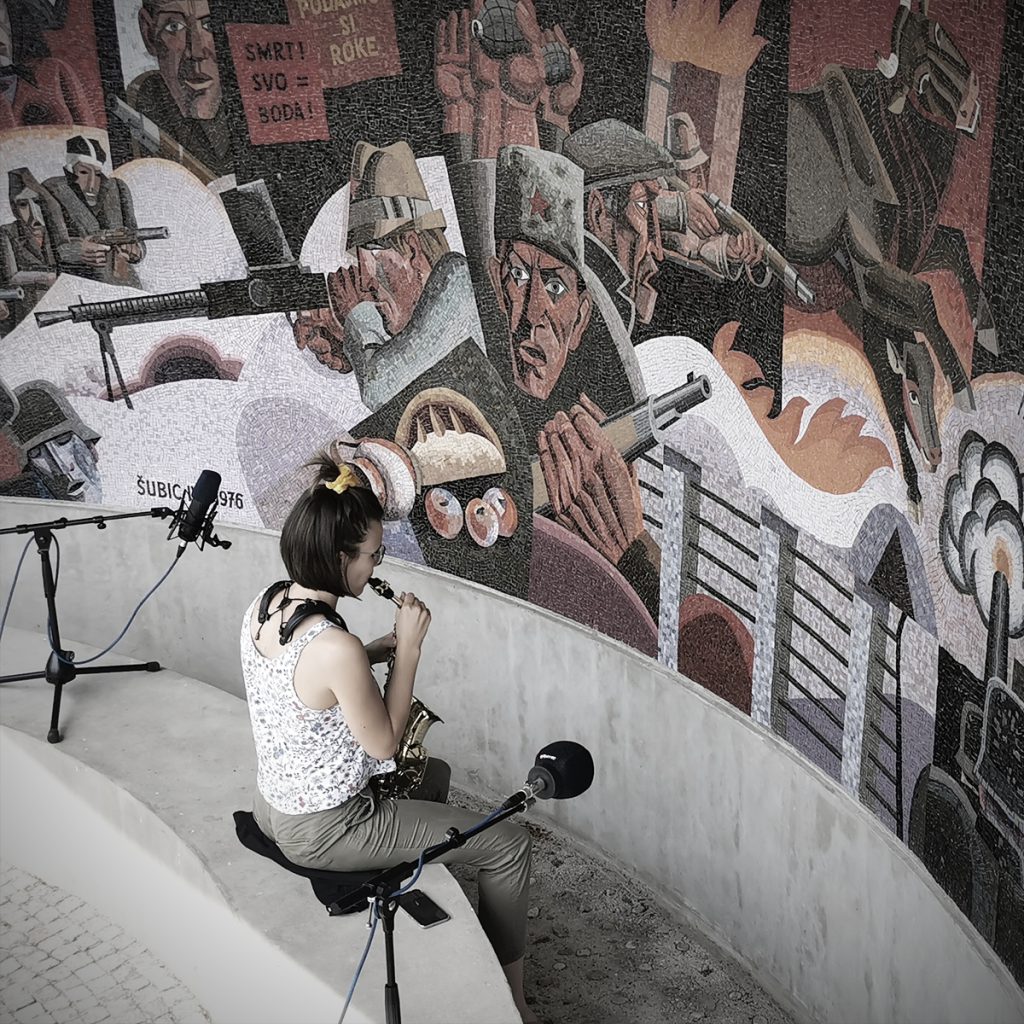
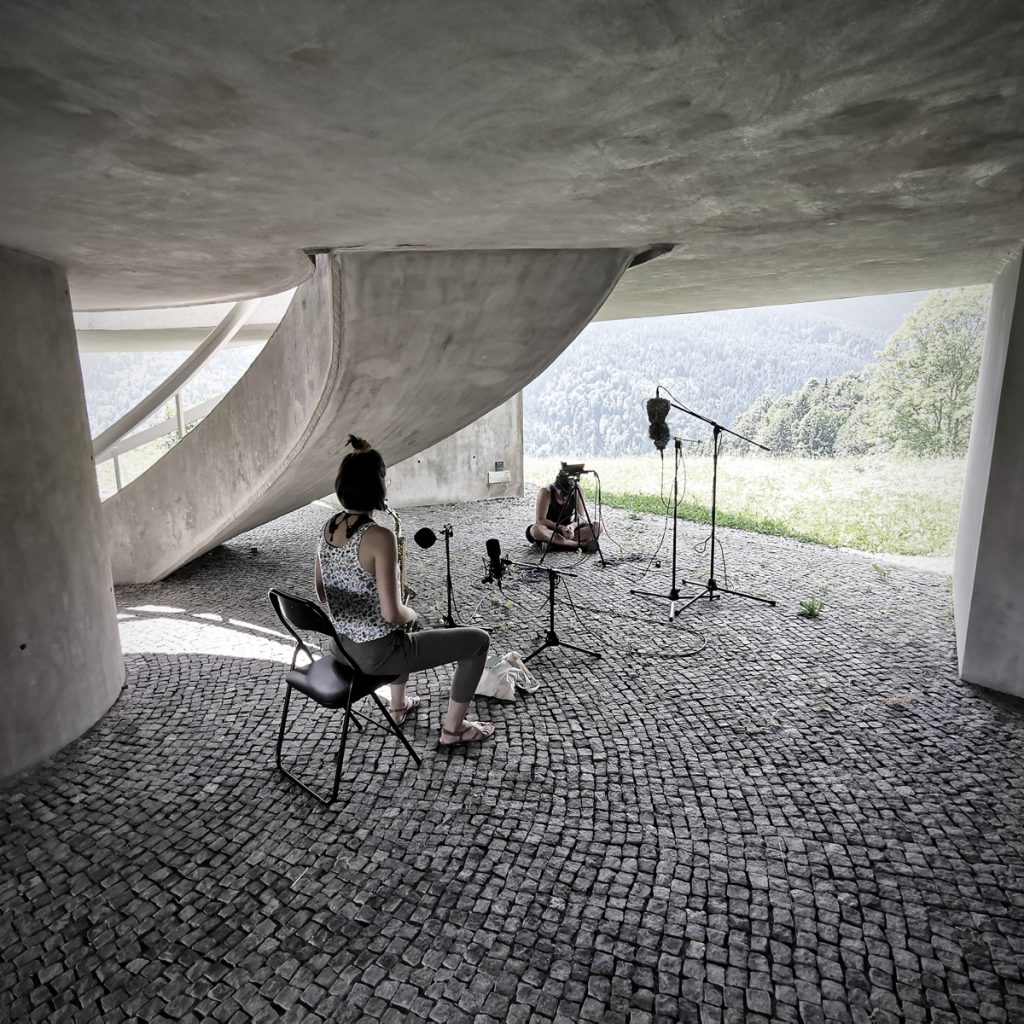
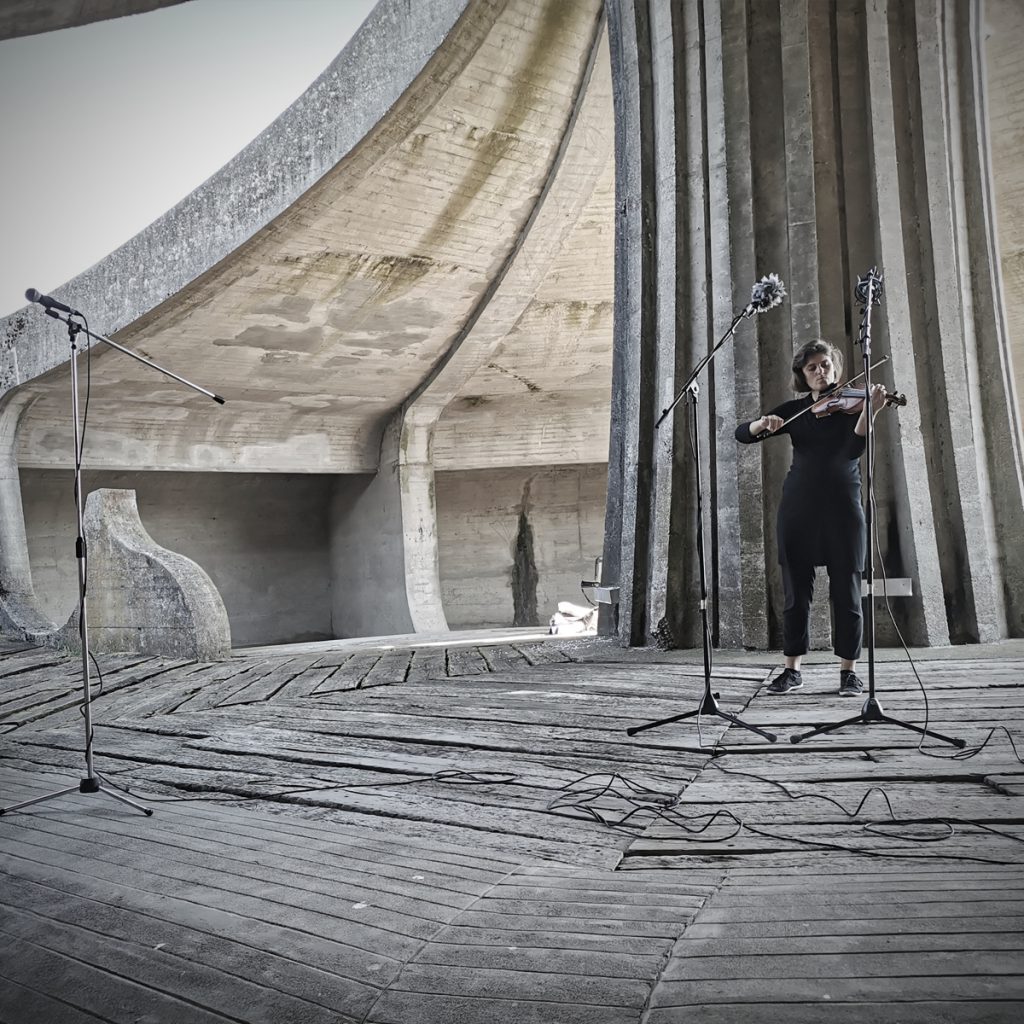
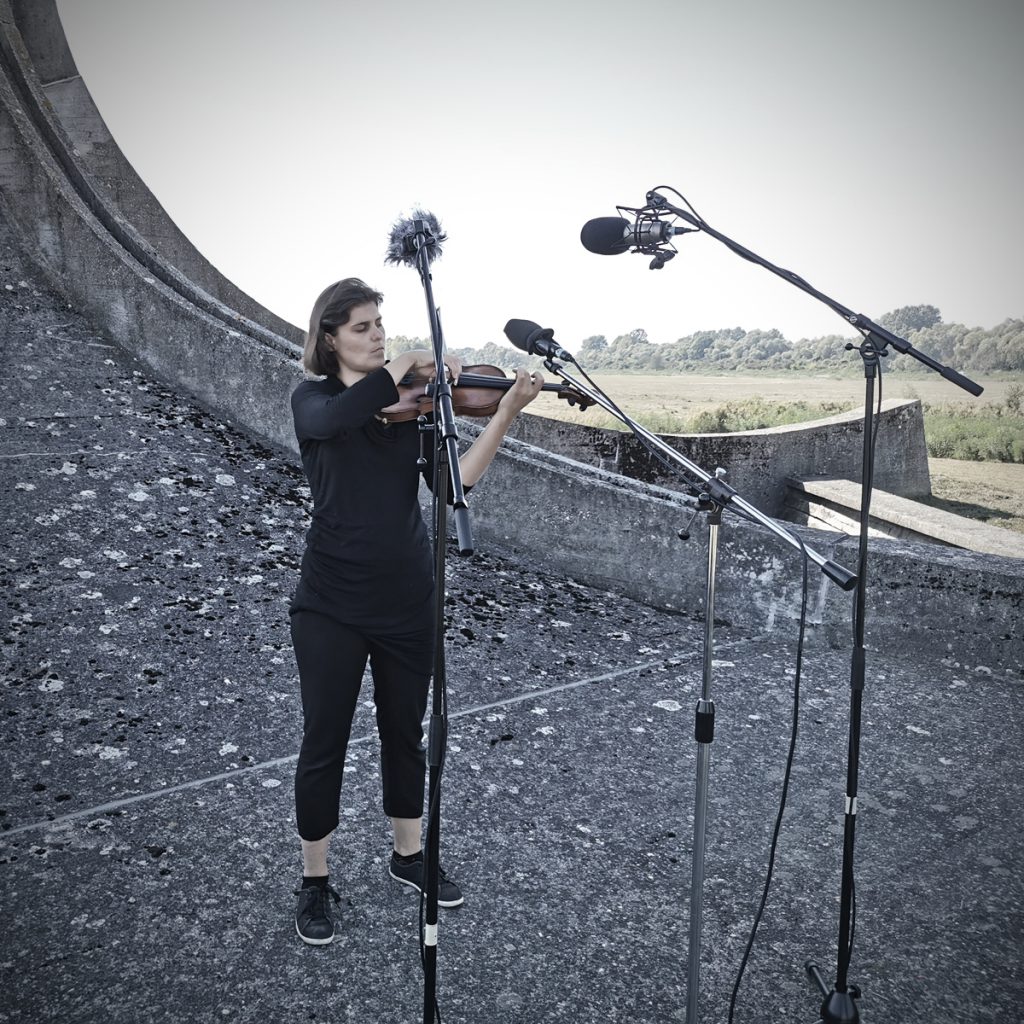
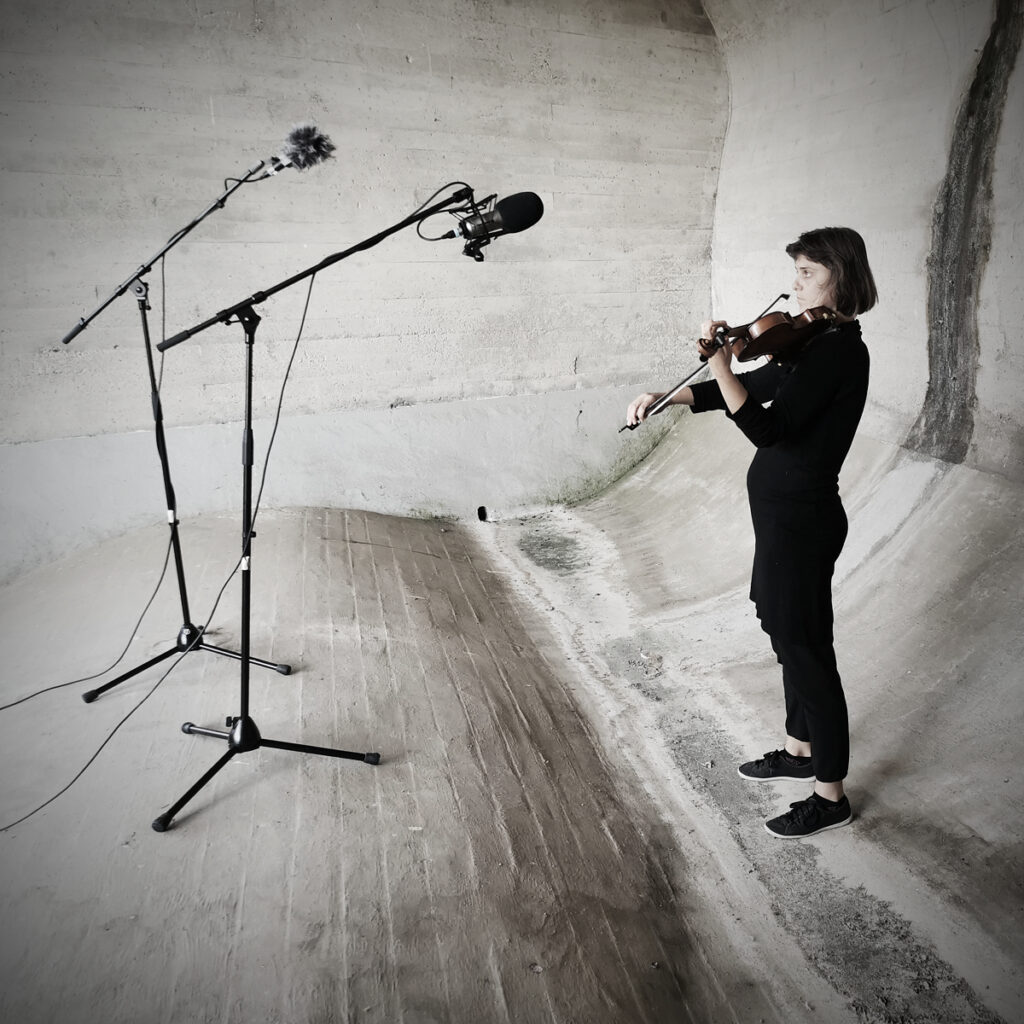
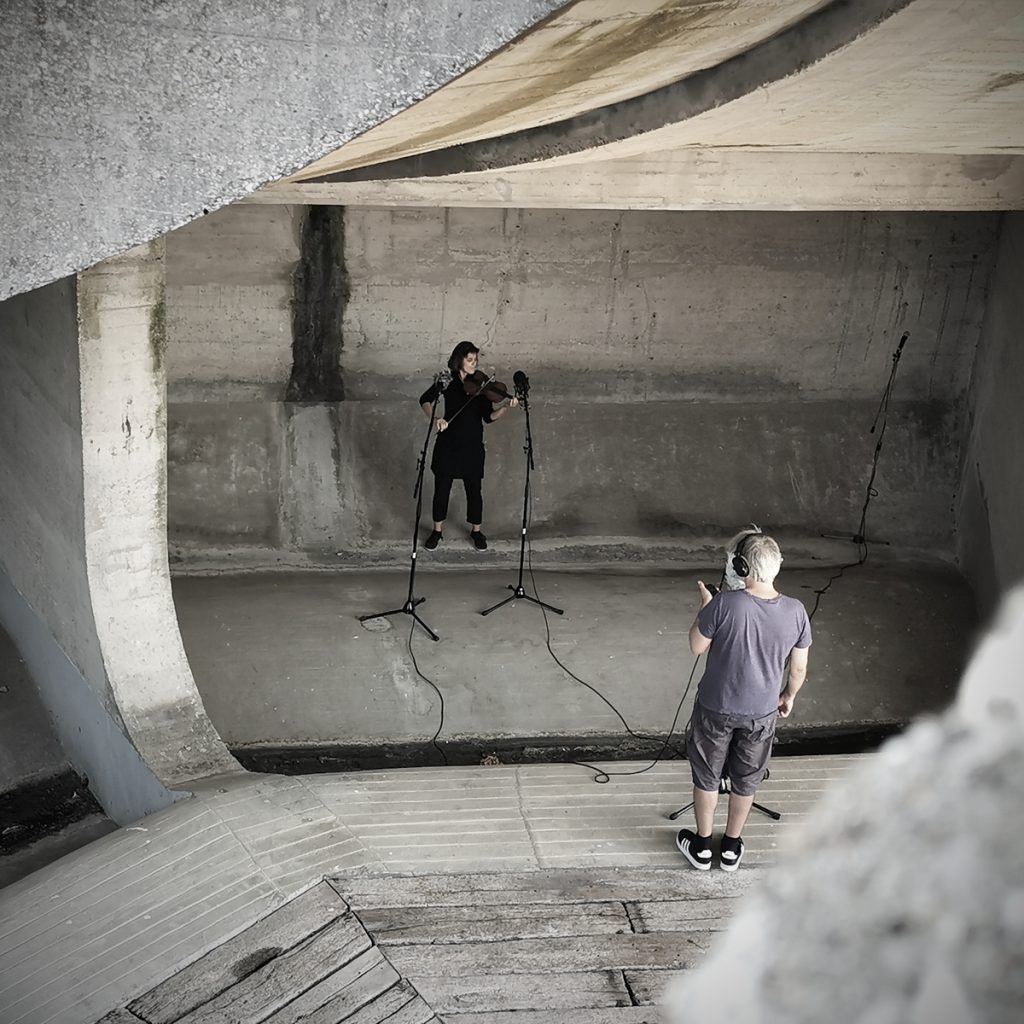
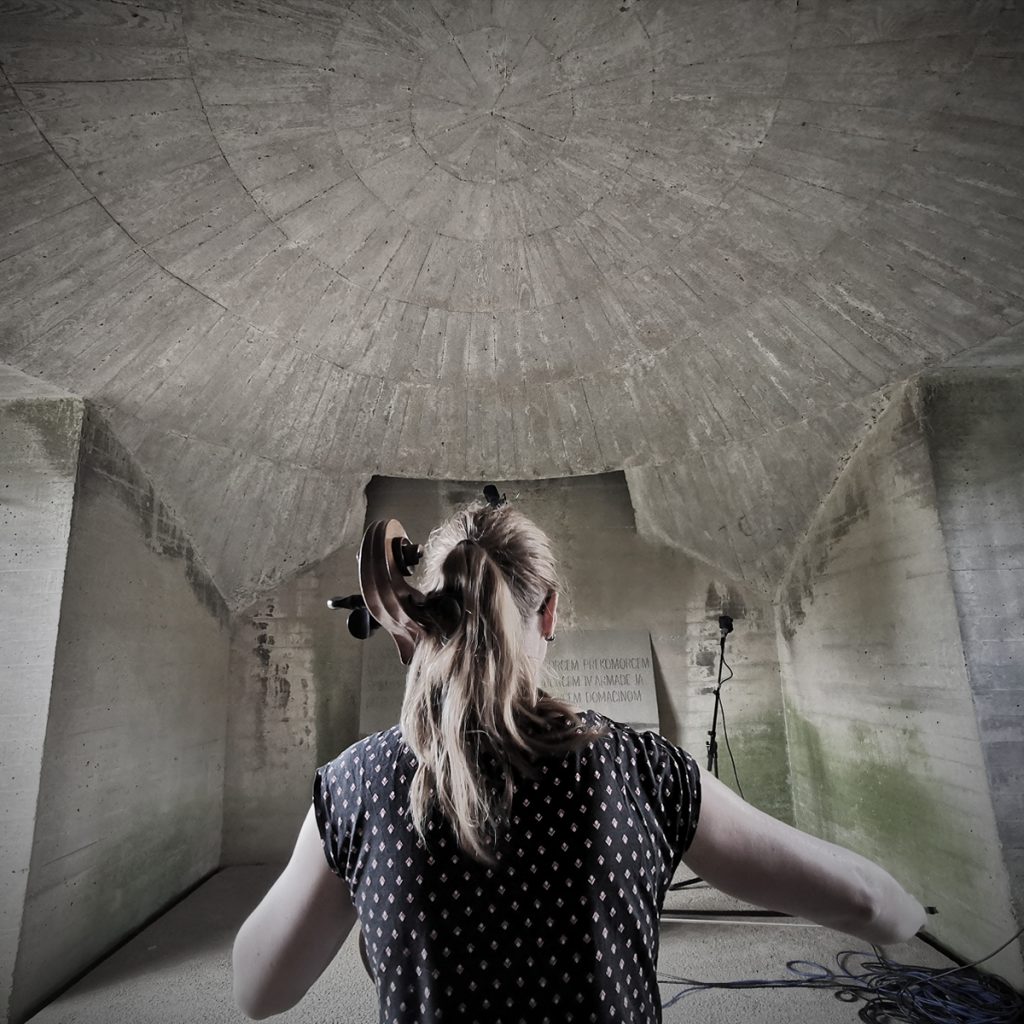
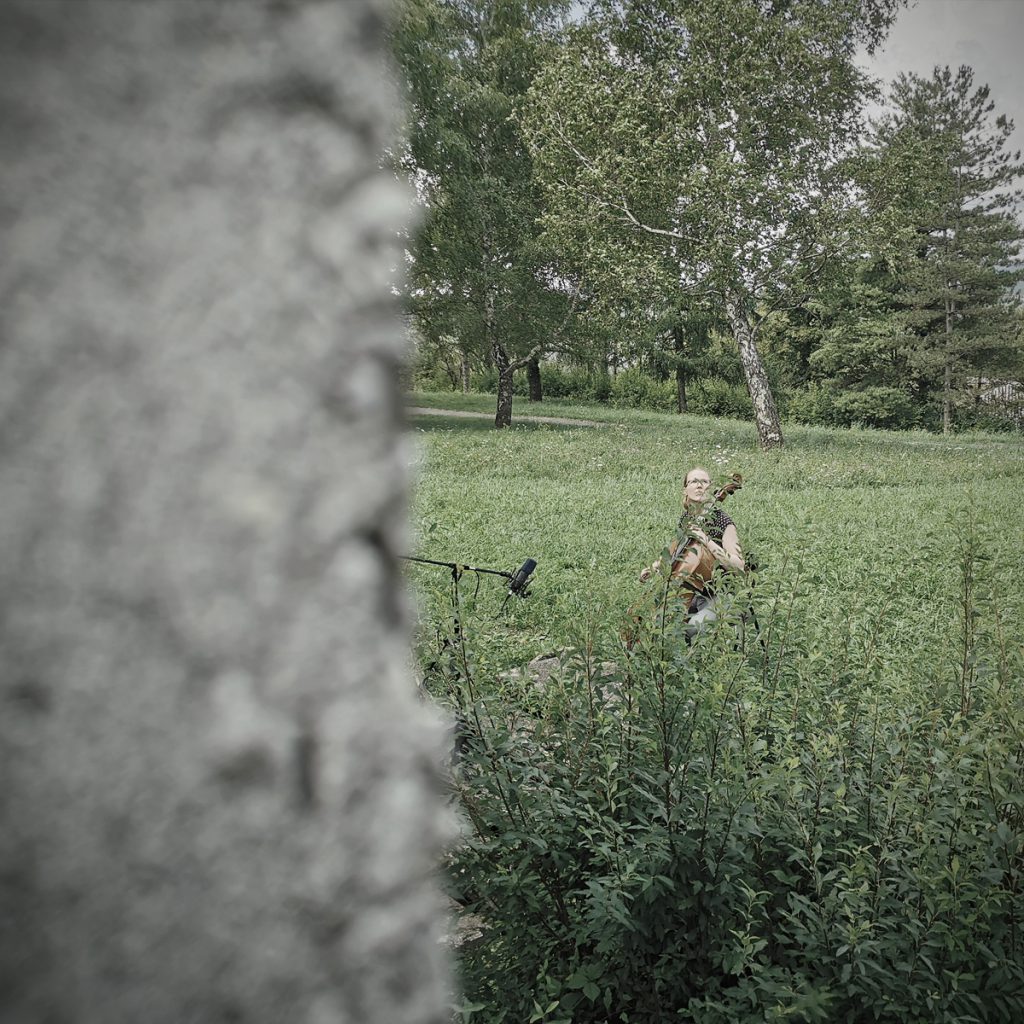
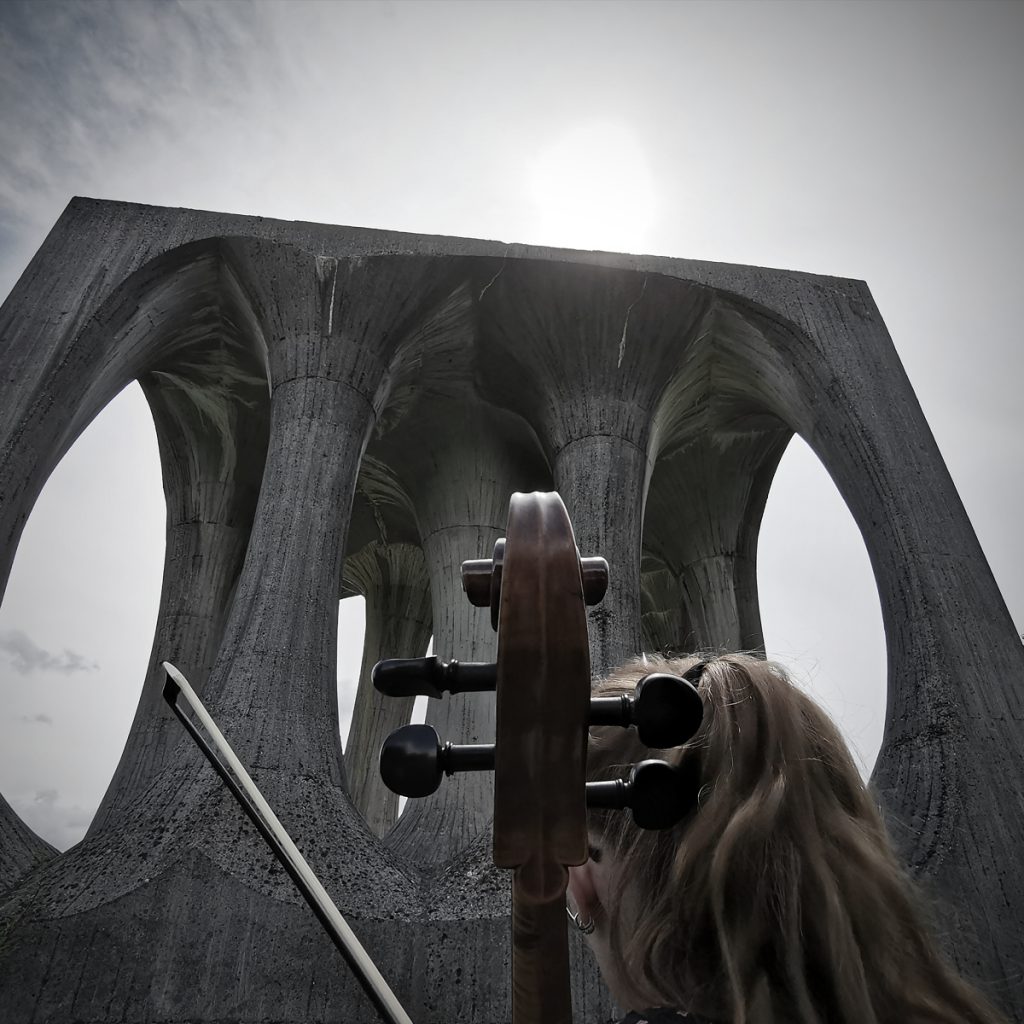
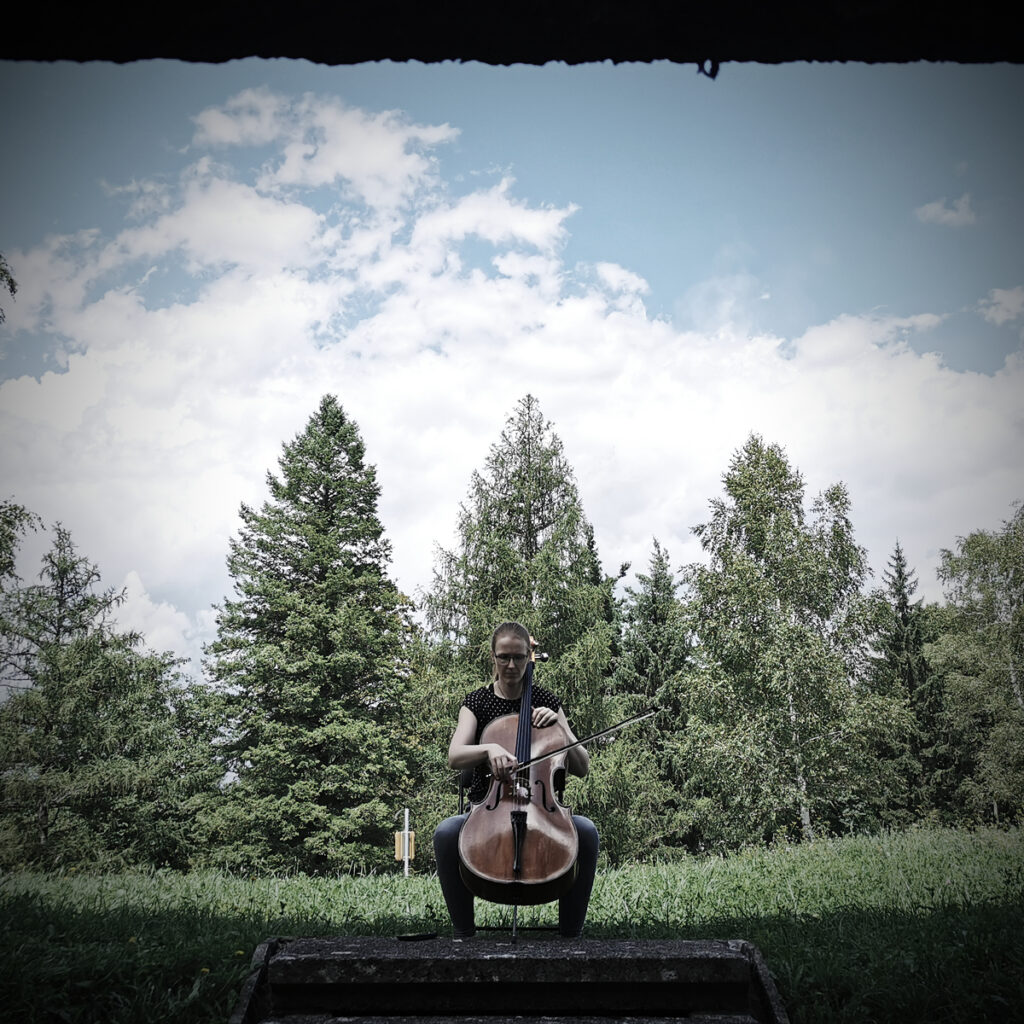
In 2021, Inexhaustible Editions sublabel SonoLiminal initiated a long-term research, recording and publishing project to explore and reveal the sonic attributes of spomeniks of the former Yugoslavia (which can now be found in Slovenia, Croatia, Bosnia and Herzegovina, Serbia, Montenegro, Kosovo, and North Macedonia) by asking local instrumentalists – mainly young and remarkably talented professional musicians working locally or internationally in the fields of free improvisation or contemporary composed music – to play sounds on-site, and to find the most responsive or fascinating sounding parts of the monuments. Besides the intentional sounds produced by musical instruments, we intend also to document the unintentional sounds of the immediate surroundings via environmental recordings. Each year we plan to visit, examine and reflect on at least three or four monuments through field trips, recording sessions and, eventually, audio publications. Until now we have gathered more than twenty locations with emblematic spomeniks which are relevant to our Sounding Spomenik project.
We invite you to visit this page and the space below from time to time for updates on the project; we are going to share texts, photo galleries, and videos about the development of this ambitious and presumably adventurous research and publishing work on this inequitably unrevealed subject.
However these spomeniks functioned – and some of them still function – as World War II memorials with a clear anti-fascist connotation, and from the mid-50s until the late 70s as the materialized emblems of Josip Broz Tito's utopian idea of a strong and united Yugoslavian state with the slogan 'brotherhood and unity', we regard these abstract but undisputedly iconic modernist constructions primarily as architectural works of art. These monuments, rooted in the anti-fascist struggle and commemorating countless victims of oppression, carry deep historical and ideological weight. We approach them with respect for their historical significance and as reminders of the fight against fascism. As a record label, we are interested in exploring their layered histories, but our primary focus lies in uncovering and amplifying the unique sonic qualities embedded within these monumental structures.
In 2021, Inexhaustible Editions sublabel SonoLiminal initiated a long-term research, recording and publishing project to explore and reveal the sonic attributes of spomeniks of the former Yugoslavia (which can now be found in Slovenia, Croatia, Bosnia and Herzegovina, Serbia, Montenegro, Kosovo, and North Macedonia) by asking local instrumentalists – mainly young and remarkably talented professional musicians working locally or internationally in the fields of free improvisation or contemporary composed music – to play sounds on-site, and to find the most responsive or fascinating sounding parts of the monuments. Besides the intentional sounds produced by musical instruments, we intend also to document the unintentional sounds of the immediate surroundings via environmental recordings. Each year we plan to visit, examine and reflect on at least three or four monuments through field trips, recording sessions and, eventually, audio publications. Until now we have gathered more than twenty locations with emblematic spomeniks which are relevant to our Sounding Spomenik project.
We invite you to visit this page and the space below from time to time for updates on the project; we are going to share texts, photo galleries, and videos about the development of this ambitious and presumably adventurous research and publishing work on this inequitably unrevealed subject.
László Juhász
April 2021
Our compasses
· Spomenikdatabase.org, edited and regularly updated by Donald Niebyl
· Donald Niebyl – Spomenik Monument Database (FUEL, 2018)
· Jan Kempenaers & Wilem Jan Neutelings – Spomenik (Roma Publications, 2010)
· Martino Stierli & Vladimir Kulić – Toward A Concrete Utopia: Architecture In Yugoslavia, 1948-1980 (MoMA, 2018)
· Martino Stierli & Vladimir Kulić – Bogdanović By Bogdanović: Yugoslav Memorials Through The Eyes Of Their Architect (MoMA, 2018)
· Friedrich Achleitner – A Flower For The Dead: The Memorials Of Bogdan Bogdanović (Park Books, 2017)
· Jonathan 'Jonk' Jimenez – Spomeniks (Carpet Bombing Culture, 2018)
· Vladimir Kulić, Maroje Mrduljaš & Wolfgang Thaler – Modernism In-between: The Mediatory Architectures Of Socialist Yugoslavia (JOVIS, 2018)
· Peter Chadwick – This Brutal World (Phaidon, 2016)
· Matt Gibberd & Albert Hill – Ornament Is Crime: Modernist Architecture (Phaidon, 2017)
· Miloš Kosec, Neja Tomšič & Martin Bricelj Baraga – Nonument (MoTA, 2020)
· Olja Triaška Stefanović – Brotherhood And Unity (Academy Of Fine Arts And Design, 2020)
· A Second World (directed by Ruben Woodin Dechamps & Oscar Hudson, 19 mins., 2014)
· First And Last Men (directed by Jóhann Jóhannsson, 70 mins., 2020)
· Donald Niebyl – Spomenik Monument Database (FUEL, 2018)
· Jan Kempenaers & Wilem Jan Neutelings – Spomenik (Roma Publications, 2010)
· Martino Stierli & Vladimir Kulić – Toward A Concrete Utopia: Architecture In Yugoslavia, 1948-1980 (MoMA, 2018)
· Martino Stierli & Vladimir Kulić – Bogdanović By Bogdanović: Yugoslav Memorials Through The Eyes Of Their Architect (MoMA, 2018)
· Friedrich Achleitner – A Flower For The Dead: The Memorials Of Bogdan Bogdanović (Park Books, 2017)
· Jonathan 'Jonk' Jimenez – Spomeniks (Carpet Bombing Culture, 2018)
· Vladimir Kulić, Maroje Mrduljaš & Wolfgang Thaler – Modernism In-between: The Mediatory Architectures Of Socialist Yugoslavia (JOVIS, 2018)
· Peter Chadwick – This Brutal World (Phaidon, 2016)
· Matt Gibberd & Albert Hill – Ornament Is Crime: Modernist Architecture (Phaidon, 2017)
· Miloš Kosec, Neja Tomšič & Martin Bricelj Baraga – Nonument (MoTA, 2020)
· Olja Triaška Stefanović – Brotherhood And Unity (Academy Of Fine Arts And Design, 2020)
· A Second World (directed by Ruben Woodin Dechamps & Oscar Hudson, 19 mins., 2014)
· First And Last Men (directed by Jóhann Jóhannsson, 70 mins., 2020)

Locations / musicians '27
 Grmeč (designed by sculptor Ljubomir Denković and architects Milovan Matović and Savo Subotin; completed in 1979)
Participating musician: Bosnian pianist Belma Bešlić-Gál
 Kozara (designed by sculptor Dušan Džamonja and architect Marijana Hanzenković; completed in 1972)
Participating musician: Bosnian accordionist Goran Stevanovich
 Petrova Gora (designed by sculptor Vojin Bakić and architect Berislav Šerbetić; completed in 1981)
Participating musician: Croatian saxophonist Arijan Mačak
 Sisak (designed by sculptor Želimir Janeš; completed in 1981)
Participating musician: Croatian double bassist Ivar Roban Križić
Locations / musicians '26
 Kruševo (designed by sculptor Jordan Grabul and architect Iskra Grabul; completed in 1974)
Participating musician: Macedonian sound artist Sašo Puckovski
 Kavadarci (designed by architect Peter Muličkoski; completed in 1976)
Participating musician: Macedonian pianist Pandelina Atanasova
Locations / musicians '24
 Popina (designed by architect Bogdan Bogdanović; completed in 1981)
Participating musician: Serbian violinist Manja Ristić ✓
 Čačak (designed by architect Bogdan Bogdanović; completed in 1980)
Participating musician: Serbian harpist Milana Zarić ✓
Locations / musicians '21
 Ilirska Bistrica (designed by sculptor Janez Lenassi and architect Živa Baraga-Moškon; completed in 1965)
Participating musician: Slovenian cellist Tadeja Žele ✓
 Dražgoše (designed by sculptor Stojan Batič and architect Boris Kobe; completed in 1976)
Participating musician: Slovenian saxophonist Vida Piko Vatovec ✓
 Sinj (designed by architect Vuko Bombardelli; completed in 1962)
Participating musician: Croatian cellist Lucija Gregov ✓
 Jasenovac (designed by architect Bogdan Bogdanović; completed in 1966)
Participating musician: Croatian violinist Tena Novak ✓
Follow Sounding Spomenik on Facebook for regular news and happenings around the project!
Sounding Spomenik editions
SPRING 2025 / FALL 2024

Sounding Spomenik #6: Čačak
by Milana Zarić
Sounding Spomenik #5: Popina
by Manja Ristić
Sounding Spomenik #4: Jasenovac
by Tena Novak
Sounding Spomenik #3: Sinj
by Lucija Gregov
Sounding Spomenik #2: Dražgoše
by Vida Piko Vatovec
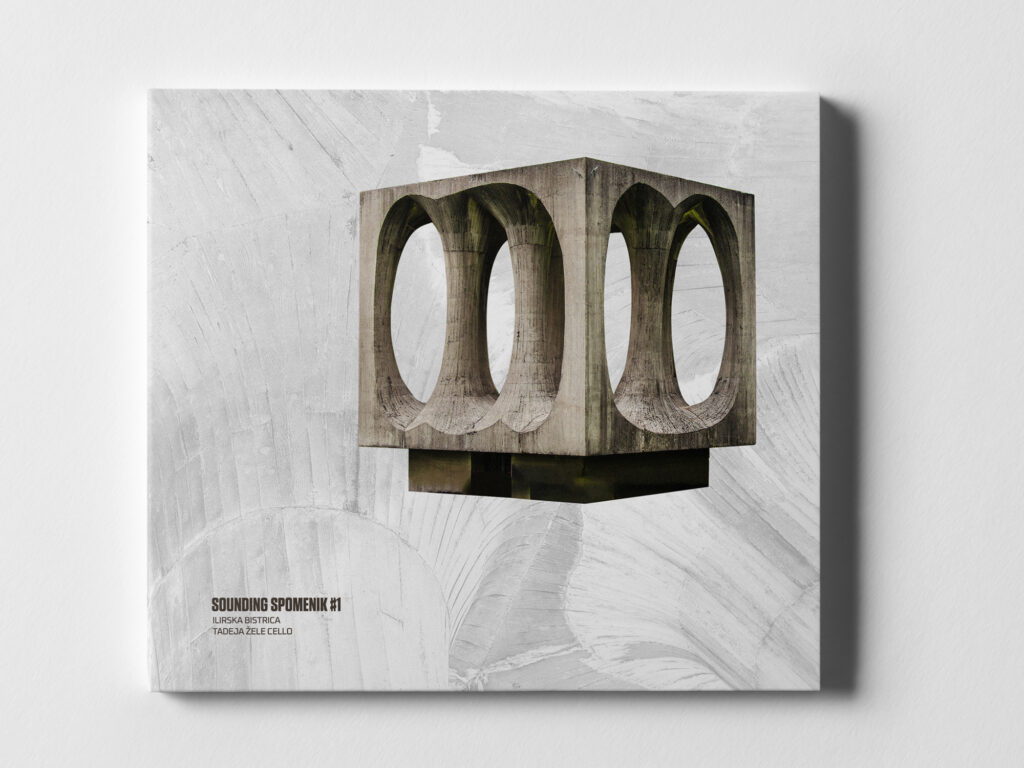
Sounding Spomenik #1: Ilirska Bistrica
by Tadeja Žele
The Sounding Spomenik Instathing
Occasional photo diary of SonoLiminal's long-term research project on sound, space, design, architecture and cultural heritage